Pick the band you think fits. One vote per browser on this title. You cannot change it after you vote.
Loading community votes…
Woke Breakdown
Message-first dialogue
10
Tokenistic characters
8
Ideology over story
12
Legacy rewriting
7
Modern politics injection
6
Protected protagonist pattern
9
Anti-traditional framing
5
Cultural normalization framing
6
Quick reasons
Dialogue occasionally feels like it serves a broader ideological agenda rather than character development.
Some characters seem to exist more as symbols of privilege and power than as fully fleshed-out individuals.
The narrative sometimes prioritizes its message about wealth and consequence over pacing and suspense.
While there are modern elements, they don't overwhelm the core themes of the original story.
The protagonists face challenges, but their arcs can feel somewhat predictable and agenda-driven.
AI cultural analysis
Here's the read.
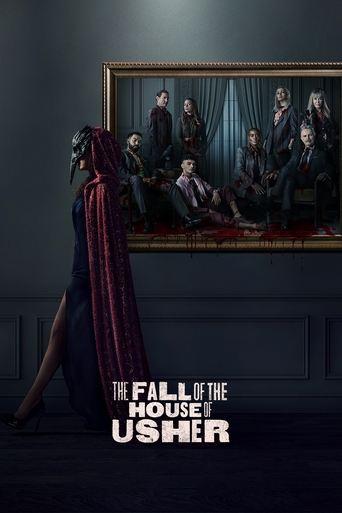
The Fall of the House of Usher attempts to weave contemporary themes into a classic narrative, resulting in a mixed execution. While the story retains some of its gothic roots, the dialogue occasionally veers into moral lecturing, detracting from the character-driven suspense that could have elevated the drama. Characters often feel more like representations of societal issues rather than individuals with depth, which can undermine the emotional stakes of the narrative. Despite this, the show does not break its internal logic, and the characters face real consequences for their actions, which helps maintain some level of engagement. However, the overarching message about privilege and its repercussions sometimes overshadows the story itself, leading to a narrative that feels more like a cautionary tale than a gripping mystery. Overall, while it has its merits, the ideological framing can detract from the immersive experience expected from a gothic drama.