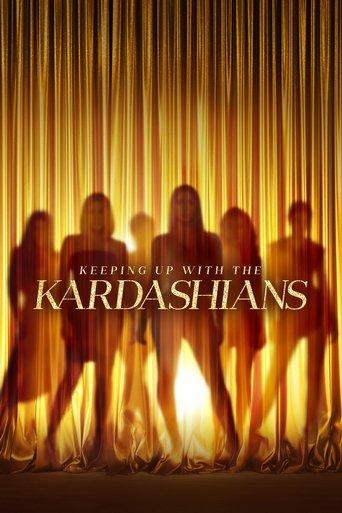
Keeping Up with the Kardashians
2007
The sourced concerns are substantially offset by delivered value.
What counts as a cash grab?
Commercial extraction prioritized over meaningful consumer or creative value. Profit, popularity, adaptations, sequels, remakes, high budgets, and normal marketing do not count by themselves.
Why?
Keeping Up with the Kardashians premiered on E! in October 2007 and ran through 2021, produced by Ryan Seacrest Productions and Bunim/Murray with multiple executive producers from the family. Reporting and reference pages show the series generated numerous network spin-offs and long commercial success, and critics often described it as lowbrow or a guilty pleasure. I found no credible reporting during searches that the show launched with predatory monetization, deceptive release practices, or explicit pay-to-view schemes.
- No credible sources located that allege predatory monetization or deceptive release practices tied to the show.
- The series was professionally produced and ran for 20 seasons, indicating sustained consumer demand and network investment.
- The program spawned multiple official spin-offs and specials, showing deliberate brand and network monetization.
View full breakdownHide full breakdown
- Contemporary criticism frequently described the show as lowbrow or 'mindless', which supports claims of limited perceived creative value.
Score factors
| Direction | Factor | Evidence | Impact |
|---|---|---|---|
| Against | Long run and ratings success | The show premiered in October 2007 and ran through 2021 across many seasons, becoming one of E!'s longest-running and commercially successful reality series.[1][3] | -16 |
| Against | Professional production backing | The series was developed by Ryan Seacrest and produced by Ryan Seacrest Productions and Bunim/Murray, with listed executive producers including family members, indicating standard industry production structures.[2][4] | -14 |
| For | Critical characterization as low-value entertainment | Scholarly and critical summaries cited in reference materials describe the series as a 'guilty pleasure' or 'mindless' reality product, reflecting widespread perceptions of low creative value.[6][5] | +13 |
| For | Spin-offs and franchise monetization | The main series produced numerous spin-offs and specials, evidencing extensive brand and network monetization built on the show's popularity.[1][2] | +9 |
| Against | No evidence of predatory monetization at launch | Searches of accessible reporting and reference pages turned up no credible allegations that the show's launch or distribution employed predatory monetization, deceptive release practices, or pay-to-view tactics.[2][1] | -6 |
Confidence: Low · Searches used a limited set of reference and fan-oriented pages and did not uncover in-depth investigative reporting tying the series to predatory monetization, so conclusions are constrained by the absence of authoritative exposés in the consulted results. · Researched 2026-08-10
Sources reviewed
- [1]www.ourgenusa.com
- [2]kardashians.fandom.com
- [3]en.wikipedia.org
- [4]www.charitybuzz.com
- [5]www.scribd.com
- [6]dokumen.pub
- [7]www.imdb.com
- [8]en.everybodywiki.com
- [9]www.ourgenusa.com
- [10]gazettereview.com
View 10 more sourcesShow fewer sources
What does the community think?
The AI sees low cash-grab risk. What's your read?
Loading community verdict…