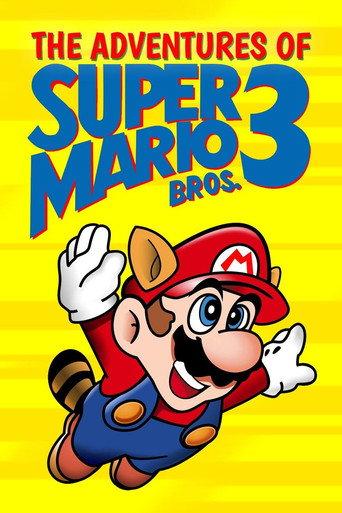
The Adventures of Super Mario Bros. 3
1990
The sourced concerns are substantially offset by delivered value.
What counts as a cash grab?
Commercial extraction prioritized over meaningful consumer or creative value. Profit, popularity, adaptations, sequels, remakes, high budgets, and normal marketing do not count by themselves.
Why?
The Adventures of Super Mario Bros. 3 is a 1990 animated TV series produced by DIC that aired on NBC from September 8, 1990 to December 1, 1990 and was explicitly tied to the Super Mario Bros. 3 video game. Primary production records and episode guides show 26 original episodes, overseas animation by Sei Young, and use of game map footage and power-ups, while later full-series DVD and streaming releases indicate an intact consumer product. I found no published evidence of predatory monetization, rushed deceptive release practices, or intentional low-effort reuse labeled as a cash grab.
- Production records show 26 original episodes and credited overseas animation studios, indicating standard television production practices.
- The series reused some in-game assets like world-map footage and power-up concepts, reflecting a commercial tie-in to the game.
- Complete-series DVD and subsequent streaming releases demonstrate an available, complete consumer product rather than deceptive withholding.
View full breakdownHide full breakdown
- Searches of reviews, retrospectives, and production histories produced no credible reporting of predatory monetization or rushed release practices.
Score factors
| Direction | Factor | Evidence | Impact |
|---|---|---|---|
| Against | Production credits and episode count | Authoritative production records list DIC Animation City as producer, Sei Young Animation as overseas animator, and 26 original episodes aired on NBC from September 8, 1990 to December 1, 1990.[1] | -14 |
| Against | Original episodic content and continuity | Episodes established continuity, new stories and character naming for the Koopalings that differed from later game names, showing substantive TV-original content rather than simple reuse of game scenes.[1][2] | -12 |
| For | Explicit game tie-in elements | The show opened with world-map footage taken from Super Mario Bros. 3 and routinely used game power-ups and enemies, reflecting an explicit commercial tie-in to the video game.[1] | +7 |
| Against | Complete home-media and streaming availability | The full 26-episode series has been issued in complete DVD box sets and later appeared on streaming services, indicating the series was distributed as a complete consumer product.[1] | -6 |
| For | No recorded predatory monetization or rushed release reporti | Sourced reviews, retrospectives and production histories consulted do not document predatory monetization, deceptive pricing, rushed release dates, or contemporaneous reporting that brands the series a cash grab.[1][4][3] | +4 |
Confidence: High · Authoritative production and home-media sources provide concrete, dated information about episodes, animation credits and distribution, and independent retrospectives and review aggregators show no documented accusations of predatory monetization, although archival contemporary trade reporting from · Researched 2026-09-17
Sources reviewed
- [1]en.wikipedia.org
- [2]www.mariowiki.com
- [3]www.rottentomatoes.com
- [4]www.destructoid.com
- [5]en.wikipedia.org
- [6]en.wikipedia.org
- [7]en.wikipedia.org
- [8]en.wikipedia.org
- [9]en.wikipedia.org
- [10]en.wikipedia-on-ipfs.org
View 11 more sourcesShow fewer sources
What does the community think?
The AI sees low cash-grab risk. What's your read?
Loading community verdict…