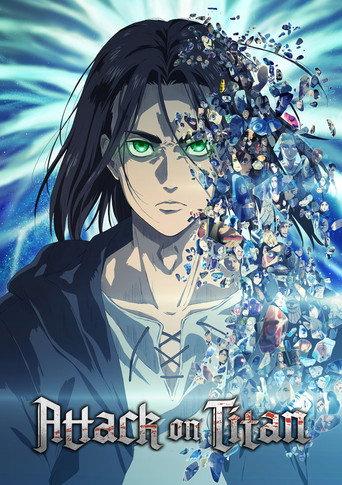
Attack on Titan
2013
The sourced concerns are substantially offset by delivered value.
What counts as a cash grab?
Commercial extraction prioritized over meaningful consumer or creative value. Profit, popularity, adaptations, sequels, remakes, high budgets, and normal marketing do not count by themselves.
Why?
Attack on Titan (TV, 2013) shows substantial production investment and creative scope, with Wit Studio credited as the lead animation studio and contemporaneous reporting describing active animator recruitment and high-quality animation in early reviews. Season 1 adapts a large portion of the source manga and the property generated official artbooks and licensed merchandise. I found no credible sourced evidence of predatory monetization, deceptive release practices, or demonstrably low-effort reuse that would meet the definition of a cash grab.
- Contemporary production reporting and studio pages document significant animation effort and staffing, indicating real production investment.
- Season 1 adapts a substantial chunk of the manga (chapters 1-34), showing substantive narrative content rather than recycled material.
- Early critical coverage praises the animation and production quality, supporting artistic and technical investment.
View full breakdownHide full breakdown
- There is extensive official merchandising and licensed products, but no sourced evidence these represented predatory monetization or deceptive release practices.
Score factors
| Direction | Factor | Evidence | Impact |
|---|---|---|---|
| Against | Production craft and staffing | Wit Studio is credited as the anime's producer and contemporaneous reporting shows the studio actively recruited animators during Season 1, indicating substantial hands-on production effort.[2][3][1] | -18 |
| Against | Substantive adaptation scope | Season 1 of the television adaptation covers manga chapters 1 through 34, demonstrating substantive new narrative content rather than minimal reuse of existing assets.[4] | -16 |
| Against | Distribution and critical reception | The series was broadcast on major Japanese networks and rebroadcast internationally, and early reviews highlighted strong animation and audience interest.[1] | -11 |
| Against | Artistic and technical choices | Staff interviews and later discussions about CG evolution and production choices show the adaptation involved technical risk and deliberate artistic decisions across seasons.[6][5] | -6 |
| For | Licensed merchandise and events | The franchise produced official artbooks, licensed merchandise and retail pop-up events, showing broad commercial exploitation of the brand, but sources do not document predatory pricing or deceptive practices tied to these products.[9][8][7] | +3 |
Confidence: High · Multiple authoritative production pages, contemporary news reporting, and early reviews document substantial creative and technical investment and I found no credible sources alleging predatory monetization or deceptive release, however I did not review internal contracts, proprietary sales data, or · Researched 2026-08-01
Sources reviewed
- [1]otakuusamagazine.com
- [2]www.witstudio.co.jp
- [3]www.crunchyroll.com
- [4]en.wikipedia.org
- [5]animecorner.me
- [6]comicbook.com
- [7]www.reddit.com
- [8]www.snknews.com
- [9]www.esakuga.net
- [10]en.wikipedia.org
View 11 more sourcesShow fewer sources
What does the community think?
The AI sees low cash-grab risk. What's your read?
Loading community verdict…