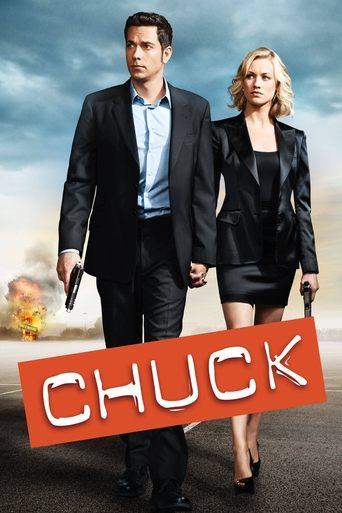
Chuck
2007
The sourced concerns are substantially offset by delivered value.
What counts as a cash grab?
Commercial extraction prioritized over meaningful consumer or creative value. Profit, popularity, adaptations, sequels, remakes, high budgets, and normal marketing do not count by themselves.
Why?
For Chuck (2007) the sourced record shows substantial creative and production investment, positive critical reception, and active fan-driven consumer engagement, and it lacks credible reporting that the series was created primarily as an exploitative cash grab. Contemporary production accounts describe storyboarded stunts and extra funding for action sequences, critics rated the show well, and fan campaigns and sponsor tie-ins demonstrate engagement rather than predatory monetization. I found network marketing and product placement, but no evidence of deceptive release practices or intentional low-effort reuse in the consulted sources.
- Contemporary reporting and creator interviews describe significant stunt work and production effort.
- Critical aggregators and reviews show strong positive reception and ongoing fan engagement.
- Organized fan campaigns and sponsor interactions indicate consumer value and investment in the show.
View full breakdownHide full breakdown
- Marketing and product placement were present, but I found no credible reports of predatory monetization or deceptive release practices.
Score factors
| Direction | Factor | Evidence | Impact |
|---|---|---|---|
| Against | Critical and audience reception | Aggregated reviews for Chuck season 1 show broadly positive critical reception, indicating substantive creative value recognized by critics and audiences.[1][2] | -17 |
| Against | Production and stunts | Creators and production coverage describe storyboarded sequences and efforts to secure extra funds to film feature-level stunts and action setpieces.[3][5] | -16 |
| Against | Fan-driven consumer support | Documented fan campaigns such as watch/buy/share efforts and organized purchases (including a Subway-related buy-in) helped influence renewals and show continuity.[4] | -11 |
| For | Product placement and brand ties | The series included visible product placement and sponsor tie-ins, most notably Subway references that were later used by fans in support campaigns.[4] | +5 |
| For | Aggressive marketing without evidence of predatory monetizat | NBC ran extensive promotional campaigns and tie-ins, but I found no credible reporting that the series used predatory pricing or exploitative monetization schemes.[6] | +4 |
Confidence: High · Multiple contemporary trade, review and production sources were consulted and provide consistent evidence of real production effort, positive reception, and fan engagement, while no credible sources allege predatory monetization; internal studio financials were not available which leaves a minor gap · Researched 2026-09-30
Sources reviewed
- [1]www.rottentomatoes.com
- [2]www.imdb.com
- [3]chucktv.net
- [4]welovechuck.tv
- [5]www.premiumhollywood.com
- [6]www.nexttv.com
- [7]en.wikipedia.org
- [8]en.wikipedia.org
- [9]www.rottentomatoes.com
- [10]en.wikipedia.org
View 11 more sourcesShow fewer sources
What does the community think?
The AI sees low cash-grab risk. What's your read?
Loading community verdict…