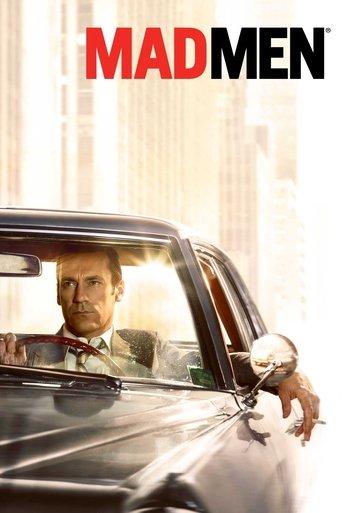
Mad Men
2007
The sourced concerns are substantially offset by delivered value.
What counts as a cash grab?
Commercial extraction prioritized over meaningful consumer or creative value. Profit, popularity, adaptations, sequels, remakes, high budgets, and normal marketing do not count by themselves.
Why?
Mad Men (2007) shows strong, source-backed evidence of high creative investment and period craftsmanship rather than being a commercial extraction. The series received major industry awards and sustained critical praise for writing, production design, and acting, and it was developed and run as an original prestige drama. There are isolated commercial tie-ins and commentary about the show’s role in merchandising and content extensions, but I found no credible sources documenting predatory monetization, rushed releases, or low-effort reuse consistent with a cash grab.
- Extensive awards and industry recognition indicate substantial production craft and investment.
- Creator-driven original writing and long, consistent showrunning point to substantive new content.
- Academic and critical discussion highlights artistic risk and period authenticity as central virtues.
View full breakdownHide full breakdown
- Commercial tie-ins and extensions exist but are limited and not documented as predatory or deceptive.
Score factors
| Direction | Factor | Evidence | Impact |
|---|---|---|---|
| Against | Production craft and awards | Mad Men won multiple major industry awards and was honored for its production design and historical authenticity.[3][1] | -18 |
| Against | Original creator-driven content | Mad Men is original creator Matthew Weiner's prestige series with sustained showrunning and acclaimed writing across seasons.[1][2] | -17 |
| Against | Complete, consumer-facing product | Mad Men ran for seven seasons with a finished series finale and sustained critical reception for its ending and seasons.[1] | -11 |
| Against | Artistic and technical risk | Critics and scholars document Mad Men’s deliberate pacing, moral complexity, and stylized period craft as artistic choices rather than low-effort reuse.[1][4] | -8 |
| For | Profitability and content extensions | Industry analysis noted the show did not generate the same advertising revenue as some hits and relied on international sales and content extensions to bolster profitability.[5] | +6 |
| For | Commercial tie-ins and merchandising | Reporting documents at least one branded commercial tie-in, for example a Brooks Brothers limited edition suit collaboration tied to the show.[2] | +5 |
Confidence: High · Sources include respected industry reporting, award archives, and scholarly/critical analysis providing strong evidence of creative investment and only limited commercial tie-ins, there are no credible sources showing predatory monetization or low-effort reuse. · Researched 2026-08-04
Sources reviewed
- [1]en.wikipedia.org
- [2]www.nybooks.com
- [3]peabodyawards.com
- [4]epress.lib.uts.edu.au
- [5]www.tvweek.com
- [6]www.imdb.com
- [7]theweek.com
- [8]goldenglobes.com
- [9]www.sciencedirect.com
- [10]en.wikipedia.org
View 17 more sourcesShow fewer sources
- [11]journals.sagepub.com
- [12]www.salon.com
- [13]www.tvline.com
- [14]en.wikipedia.org
- [15]en.wikipedia.org
- [16]www.emmys.com
- [17]en.wikipedia.org
- [18]en.wikipedia.org
- [19]www.reddit.com
- [20]www.emmys.com
- [21]escholarship.org
- [22]www.reddit.com
- [23]deepblue.lib.umich.edu
- [24]norman.hrc.utexas.edu
- [25]www.reddit.com
- [26]www.reddit.com
- [27]www.reddit.com
What does the community think?
The AI sees low cash-grab risk. What's your read?
Loading community verdict…