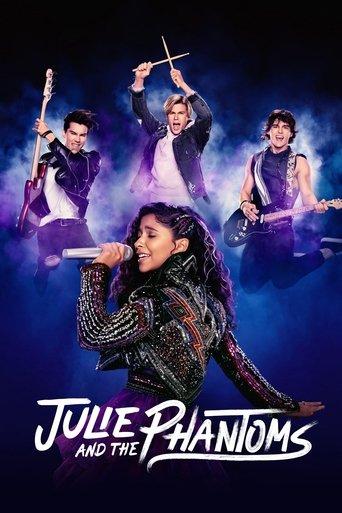
Julie and the Phantoms
2020
The sourced concerns are substantially offset by delivered value.
What counts as a cash grab?
Commercial extraction prioritized over meaningful consumer or creative value. Profit, popularity, adaptations, sequels, remakes, high budgets, and normal marketing do not count by themselves.
Why?
Julie and the Phantoms is a 2020 Netflix musical series produced with experienced musical-producer talent led by Kenny Ortega, featuring original songs, choreography, and a released soundtrack and tie-in novelization; critical coverage emphasizes its craft and family-friendly intent rather than predatory monetization. I found no credible reporting of exploitative pricing, deceptive release practices, or obvious low-effort reuse designed primarily to extract consumer dollars, though Netflix cancellation after one season is documented.
- No reporting found of predatory monetization, microtransactions, or deceptive pricing tied to the series.
- The series features original music and a 15-song soundtrack released with cast performances.
- Industry coverage highlights high-production choreography and Ortega led creative involvement.
View full breakdownHide full breakdown
- Tie-in products such as a Scholastic novelization exist but are standard licensed tie-ins, not reported as exploitative.
Score factors
| Direction | Factor | Evidence | Impact |
|---|---|---|---|
| For | No predatory monetization reported | I found no sources reporting paywalls, microtransactions, or other predatory monetization tied to the Netflix release.[1] | +20 |
| Against | Original soundtrack | Press coverage and promotional pieces note a 15-song soundtrack sung and performed by the cast, indicating substantive new musical content.[2] | -18 |
| Against | Experienced creative leadership | Kenny Ortega served as executive producer and director/choreographer, and industry interviews discuss substantial choreography, casting effort, and production craft.[3][4] | -17 |
| For | Criticism of formulaic elements | Critical reviews note the show borrows heavily from Ortega's prior musical formulas, which some reviewers saw as derivative but not indicative of monetization exploitation.[5] | +13 |
| Against | Critical praise for quality | Aggregators and reviews show generally positive critical response highlighting its music and family entertainment value rather than cheap franchise exploitation.[1] | -11 |
| For | Standard tie-in merchandising | A Scholastic novelization and other licensed tie-ins were produced, consistent with typical franchise merchandising rather than reported predatory practices.[6] | +6 |
Confidence: High · Coverage includes multiple industry sources, reviews, and promotional materials documenting original music, Ortega's creative role, tie-ins, and cancellation, and no credible reports of exploitative monetization practices were found. · Researched 2026-11-06
Sources reviewed
- [1]www.rottentomatoes.com
- [2]www.etonline.com
- [3]en.wikipedia.org
- [4]www.backstage.com
- [5]www.rogerebert.com
- [6]www.scholastic.ca
- [7]www.thewrap.com
- [8]www.metacritic.com
- [9]www.cinemablend.com
- [10]www.tvline.com
View 8 more sourcesShow fewer sources
What does the community think?
The AI sees low cash-grab risk. What's your read?
Loading community verdict…