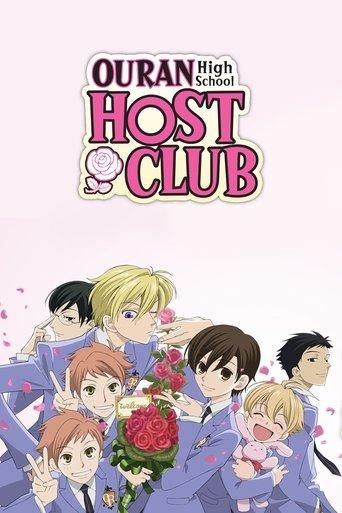
Ouran High School Host Club
2006
The sourced concerns are substantially offset by delivered value.
What counts as a cash grab?
Commercial extraction prioritized over meaningful consumer or creative value. Profit, popularity, adaptations, sequels, remakes, high budgets, and normal marketing do not count by themselves.
Why?
Ouran High School Host Club is a 2006 anime produced by studio Bones that adapted Bisco Hatori's manga into a 26-episode TV series and related soundtrack releases. Contemporary and retrospective coverage praises its production values and comedic character work, and there is no credible reporting that the series was rushed, deceptively released, or engineered primarily as predatory monetization. Available sources document a standard studio adaptation, tie-in soundtracks and merchandise, and positive critical reception, not concrete evidence of commercial exploitation over creative value.
- Produced by reputable studio Bones and released as a full 26-episode broadcast season.
- Contemporary reviews and retrospectives highlight production quality and storytelling.
- Official releases included soundtracks and character songs, standard for anime, with no reporting of predatory pricing.
View full breakdownHide full breakdown
- No credible sources found alleging rushed release, deceptive practices, or explicit cash-grab monetization.
Score factors
| Direction | Factor | Evidence | Impact |
|---|---|---|---|
| Against | Reputable studio production | The series was produced by studio Bones and broadcast as a complete 26-episode TV season in 2006.[2][1] | -18 |
| Against | Positive reviews and ongoing fan interest | Multiple reviews and retrospectives praise the series' humor, character work, and production, indicating substantive creative value.[3][4] | -14 |
| Against | Complete broadcast run | Ouran High School Host Club aired from April to September 2006, concluding at 26 episodes rather than being cut short.[5] | -12 |
| For | No credible allegations of cash-grab practices | Searches of contemporary coverage and retrospective analysis did not turn up reporting or reputable commentary alleging rushed release, deceptive pricing, or exploitative monetization for this title.[1][2] | +9 |
| Against | Standard tie-in merchandise and soundtracks | Official soundtrack and character song collections were released in 2006, consistent with normal anime commercial practice rather than predatory monetization.[1] | -8 |
Confidence: High · The available authoritative production records and multiple independent reviews provide clear historical documentation; there is no sourced reporting indicating exploitative monetization, though exhaustive merchandising sales data is not required to support this conclusion. · Researched 2026-10-12
Sources reviewed
- [1]en.wikipedia.org
- [2]www.bones.co.jp
- [3]starcrossedanime.com
- [4]www.commonsensemedia.org
- [5]en.wikipedia.org
- [6]en.wikipedia.org
- [7]de.wikipedia.org
- [8]en.wikipedia.org
- [9]en.wikipedia.org
- [10]www.trashmutant.com
View 15 more sourcesShow fewer sources
- [11]cuteproxy.wordpress.com
- [12]simkl.com
- [13]theanimeacademy.wordpress.com
- [14]www.pdf-archive.com
- [15]core.ac.uk
- [16]mathnews.uwaterloo.ca
- [17]d34w7g4gy10iej.cloudfront.net
- [18]www.reddit.com
- [19]uploads.strikinglycdn.com
- [20]www.reddit.com
- [21]www.rajraf.org
- [22]www.reddit.com
- [23]www.reddit.com
- [24]www.reddit.com
- [25]www.reddit.com
What does the community think?
The AI sees low cash-grab risk. What's your read?
Loading community verdict…