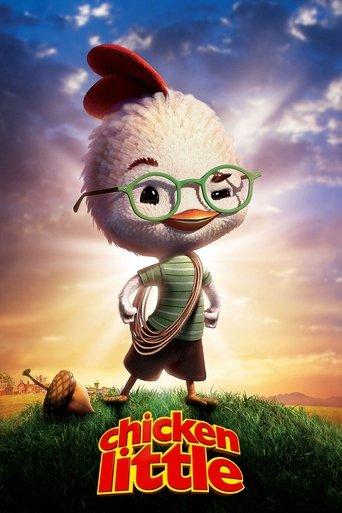
Chicken Little
2005
There are sourced concerns, but the case is limited.
What counts as a cash grab?
Commercial extraction prioritized over meaningful consumer or creative value. Profit, popularity, adaptations, sequels, remakes, high budgets, and normal marketing do not count by themselves.
Why?
Chicken Little (2005) shows clear commercial layering, Disney produced multi-platform tie-ins including video games, toy and book merchandising, fast food advertising, and a major studio-wide marketing push, evidence of extensive extraction-focused commercialization. At the same time the film was Walt Disney Feature Animation’s first fully computer animated theatrical feature, made in-house with a major budget and a DVD release packed with making-of material, which indicates substantive production investment and consumer-facing extras.
- Company filings and press materials document coordinated merchandising and video game tie-ins released alongside the film.
- Retail and promotional placements including a McDonald’s tie-in and heavy cross-promotion are documented in studio and press materials.
- Contemporary critical coverage cites a weak, derivative script and tonal problems that could indicate low creative payoff for audiences.
View full breakdownHide full breakdown
- Studio and trade sources show significant in-house technical work, the film being Disney’s first fully computer-animated feature with a large budget and DVD extras.
Score factors
| Direction | Factor | Evidence | Impact |
|---|---|---|---|
| For | Merchandising and tie-ins | Disney investor and annual reports and studio press releases list video games, books, consumer products and broad retail promotion tied to Chicken Little at release.[1][2] | +20 |
| Against | Significant in-house production | Disney Animation and film records show Chicken Little was produced in-house as the studio's first fully computer-animated theatrical feature with major studio resources and a large reported budget.[4] | -17 |
| For | Critics noted weak, derivative writing | Multiple contemporary critics characterized the film's story and tone as weak or derivative, citing storytelling and third act problems that reduced perceived creative value.[6][5] | +14 |
| For | Studio-wide marketing | Press coverage and DVD-era reporting document heavy cross-promotion, advertising on other Disney releases, Macy's appearances, and a substantial theatrical marketing push.[3][7] | +11 |
| Against | Consumer-facing DVD and extras | The film's DVD release included deleted scenes, multiple alternate openings, extensive making-of material and interactive features which indicate a consumer-friendly home product.[8][3] | -7 |
Confidence: High · Contemporary studio filings, press releases and multiple independent reviews provide concrete documentary evidence of heavy merchandising and marketing and of production scale, the main gaps are lack of internal memos proving intent to prioritize extraction over craft. · Researched 2026-09-23
Sources reviewed
- [1]adisney.go.com
- [2]www.nintendoworldreport.com
- [3]dvdizzy.com
- [4]www.disneyanimation.com
- [5]reactormag.com
- [6]www.avclub.com
- [7]www.randomhouse.com
- [8]dvdizzy.com
- [9]en.wikipedia.org
- [10]d23.com
View 10 more sourcesShow fewer sources
What does the community think?
The AI found some cash-grab signs. What's your read?
Loading community verdict…