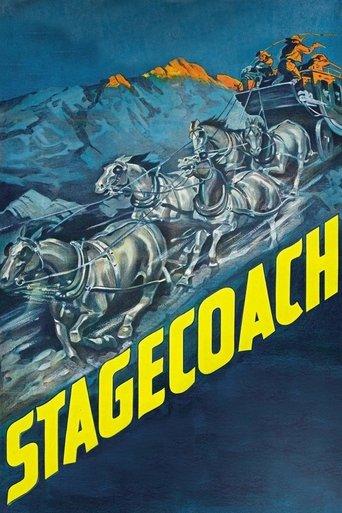
Stagecoach
1939
The sourced concerns are substantially offset by delivered value.
What counts as a cash grab?
Commercial extraction prioritized over meaningful consumer or creative value. Profit, popularity, adaptations, sequels, remakes, high budgets, and normal marketing do not count by themselves.
Why?
Stagecoach (1939) shows no credible evidence of being a cash grab. Archival histories and contemporary trade coverage document Walter Wanger and John Ford adapting Ernest Haycox’s story into a substantially new screenplay, location shooting in Monument Valley, complex action staging, and casting risks including a then-unknown John Wayne. The film received strong critical praise, awards recognition, and solid box-office returns, and I found no contemporaneous or retrospective sources alleging predatory monetization, deceptive release practices, or low-effort reuse that would indicate exploitation.
- No sourced contemporaneous or archival reporting finds predatory monetization or deceptive release practices for Stagecoach.
- Documented production choices, including Monument Valley location work and Ford’s direction, show substantive craft and technical risk.
- The film is a substantive adaptation of Ernest Haycox’s story credited with revitalizing the sound-era Western.
View full breakdownHide full breakdown
- Contemporary critical acclaim, industry awards, and box-office success indicate consumer-facing value rather than a rushed exploitation.
Score factors
| Direction | Factor | Evidence | Impact |
|---|---|---|---|
| Against | Production craft | Stagecoach employed notable technical and creative work, including Monument Valley location cinematography and a complex ambush sequence credited to John Ford’s direction.[2][1] | -18 |
| Against | Substantive new content | The film substantially adapted Ernest Haycox’s short story into a fuller original screenplay and is widely credited with bringing new depth and respectability to the sound-era Western.[4][1] | -16 |
| Against | Critical and commercial reception | Contemporary reviews, awards (including NY critics and Academy recognition), and box-office receipts show the film was both critically and commercially successful, with no contemporaneous allegations of deceptive release tactics.[3][2] | -11 |
| Against | Artistic and technical risk | Contemporary accounts and later scholarship note casting the then-unknown John Wayne and on-location Monument Valley shooting as deliberate artistic risks that influenced later filmmakers.[5][3] | -9 |
| For | No exploitative monetization found | Searches of trade reporting, institutional histories, and archival essays produced no credible evidence of predatory monetization, rushed reissues, or deceptive pricing tied to Stagecoach’s original release.[5][6] | +3 |
Confidence: High · Contemporary reviews, archival essays from the Library of Congress, AFI, TCM, Criterion, and BFI provide strong, convergent evidence about the film’s production and reception, the main gap is a lack of any specific historical trade report alleging exploitative monetization for this title. · Researched 2026-09-21
Sources reviewed
- [1]www.criterion.com
- [2]www.tcm.com
- [3]www.loc.gov
- [4]www.bfi.org.uk
- [5]catalog.afi.com
- [6]assets.cambridge.org
- [7]watch.afi.com
- [8]en.wikipedia.org
- [9]filozofia.uni-miskolc.hu
- [10]www.afi.com
View 10 more sourcesShow fewer sources
What does the community think?
The AI sees low cash-grab risk. What's your read?
Loading community verdict…