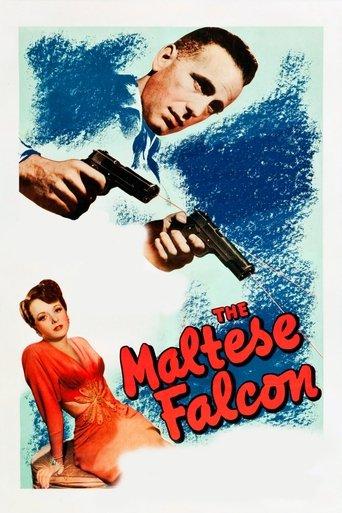
The Maltese Falcon
1941
The sourced concerns are substantially offset by delivered value.
What counts as a cash grab?
Commercial extraction prioritized over meaningful consumer or creative value. Profit, popularity, adaptations, sequels, remakes, high budgets, and normal marketing do not count by themselves.
Why?
The Maltese Falcon (1941) shows no credible signs of being a commercial extraction or cash grab. John Huston wrote and directed a careful, faithful adaptation of Dashiell Hammett, it received immediate critical acclaim and Academy Award nominations, and contemporary production histories describe a deliberate, craft-focused shoot under standard Warner Bros constraints rather than predatory monetization or deceptive release practices. I found production notes, studio histories, and awards records but no reputable sources alleging rushed exploitation or predatory pricing tied to the film's release.
- No reputable source documents predatory monetization, deceptive release, or price/value mismatch for the 1941 release.
- John Huston authored the screenplay and made his directorial debut, with documented meticulous planning and in-sequence shooting.
- The film was critically acclaimed on release and received multiple Academy Award nominations.
View full breakdownHide full breakdown
- Histories note the 1941 film was a careful, faithful adaptation of Hammett, not a low-effort reuse of the property.
Score factors
| Direction | Factor | Evidence | Impact |
|---|---|---|---|
| Against | Documented production craft | Sources record that the film was John Huston’s directorial debut, shot with careful planning, completed in about 34 days on a defined studio budget, and shot largely in sequence.[2][3][1] | -18 |
| Against | Critical recognition and awards | The film opened in October 1941 to strong critical response and earned multiple Academy Award nominations, including Best Picture and Best Adapted Screenplay.[4][1] | -16 |
| For | No exploitative monetization found | I found no credible contemporaneous or later reporting that the film’s release involved predatory monetization, deceptive pricing, or pay-to-view schemes.[2][3] | +5 |
Confidence: High · Multiple reputable film-historical and archival sources provide direct production details, contemporary reception, and awards records, and I found no credible sources alleging predatory monetization or deceptive release practices; absence of specialized studio accounting records leaves minor gaps. · Researched 2026-08-05
Sources reviewed
- [1]www.afi.com
- [2]www.tcm.com
- [3]www.tcm.com
- [4]www.oscars.org
- [5]www.tcm.com
- [6]www.tcm.com
- [7]www.tcm.com
- [8]www.imdb.com
- [9]en.wikipedia.org
- [10]www.imdb.com
View 8 more sourcesShow fewer sources
What does the community think?
The AI sees low cash-grab risk. What's your read?
Loading community verdict…