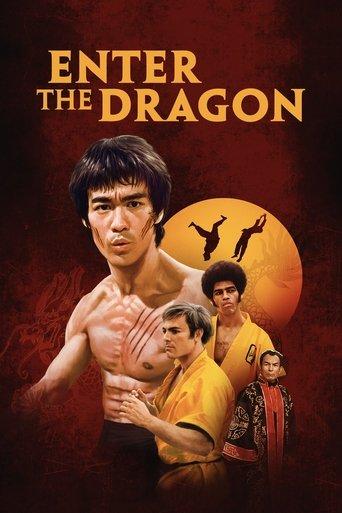
Enter the Dragon
1973
The sourced concerns are substantially offset by delivered value.
What counts as a cash grab?
Commercial extraction prioritized over meaningful consumer or creative value. Profit, popularity, adaptations, sequels, remakes, high budgets, and normal marketing do not count by themselves.
Why?
Enter the Dragon (1973) is widely documented as Bruce Lee’s final completed film and a landmark martial arts picture that combined Hong Kong and Hollywood production resources. Contemporary and retrospective sources emphasize its careful choreography, distinctive set pieces including the hall of mirrors, major worldwide box office success, and lasting cultural influence, with no credible reporting that the film used predatory monetization, deceptive release practices, or low-effort reuse to extract money from audiences.
- No credible sources report predatory monetization or deceptive release practices for this film.
- Contemporary records show substantial production effort and international co-production backing.
- The film achieved major box office success and enduring critical esteem.
View full breakdownHide full breakdown
- Scholars and institutions preserve and celebrate the film for its artistic and cultural impact.
Score factors
| Direction | Factor | Evidence | Impact |
|---|---|---|---|
| For | No reported predatory monetization | I found no contemporary or retrospective reporting that Enter the Dragon used predatory monetization, deceptive pricing, or exploitative add-on sales.[1] | +20 |
| Against | Documented production craft and star involvement | Sources document Bruce Lee’s creative role and significant production work, including the film’s internationally financed production and distinctive set pieces.[2] | -18 |
| Against | Major box office success | Historical box office reporting shows the film grossed strongly worldwide after its release and became Bruce Lee’s greatest international success.[3] | -11 |
| Against | Enduring critical and institutional recognition | American Film Institute and Library of Congress materials highlight the film’s influence and preservation, indicating substantive artistic and cultural value.[4][3] | -7 |
Confidence: High · Multiple authoritative contemporary and retrospective sources document the film’s production, reception, box office, and preservation while none report exploitative monetization or deceptive release practices. · Researched 2026-10-08
Sources reviewed
- [1]en.wikipedia.org
- [2]www.criterion.com
- [3]www.loc.gov
- [4]www.afi.com
- [5]www.rogerebert.com
- [6]www.rottentomatoes.com
- [7]blogs.loc.gov
- [8]www.metacritic.com
- [9]en.wikipedia.org
- [10]catalog.afi.com
View 17 more sourcesShow fewer sources
- [11]silentflute.co.uk
- [12]en.wikipedia.org
- [13]time.com
- [14]www.metacritic.com
- [15]wikipedia.bennettdavid.com
- [16]www.tcm.com
- [17]lcweb2.loc.gov
- [18]en.wikipedia.org
- [19]en.wikipedia.org
- [20]journals.sagepub.com
- [21]en.wikipedia.org
- [22]eprints.nottingham.ac.uk
- [23]journals.openedition.org
- [24]www.reddit.com
- [25]www.reddit.com
- [26]www.reddit.com
- [27]www.reddit.com
What does the community think?
The AI sees low cash-grab risk. What's your read?
Loading community verdict…