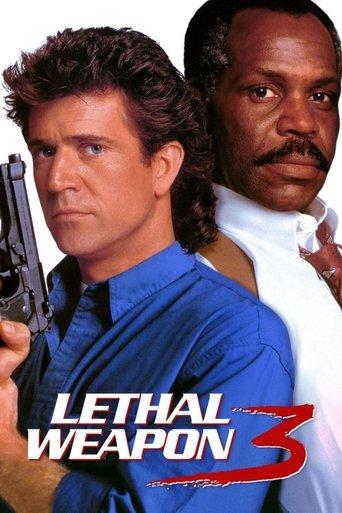
Lethal Weapon 3
1992
The sourced concerns are substantially offset by delivered value.
What counts as a cash grab?
Commercial extraction prioritized over meaningful consumer or creative value. Profit, popularity, adaptations, sequels, remakes, high budgets, and normal marketing do not count by themselves.
Why?
Lethal Weapon 3 (1992) was a high‑profile studio sequel that opened to record box office returns and was widely treated in industry coverage as “critic proof” and audience‑driven rather than an experimental artistic project. Contemporary reviews called the film formulaic and more cartoonish than its predecessors, but production reporting documents significant stunt work and a deliberate spectacle approach including an authorized demolition sequence. I found no contemporaneous evidence of predatory monetization, deceptive release practices, or explicit price gouging tied to this title.
- The film had a record‑breaking opening and was positioned by studios as a reliable box office draw.
- Major critics described the movie as formulaic and campy, suggesting creative weakness but not explicit exploitation.
- Contemporaneous production reports document costly stunts and a controlled demolition, indicating real production investment.
View full breakdownHide full breakdown
- No credible sources uncovered predatory monetization, deceptive release tactics, or unusual pricing tied to the release.
Score factors
| Direction | Factor | Evidence | Impact |
|---|---|---|---|
| Against | Documented production expenditure and stunts | Production records and trade reporting note substantial production work, including a paid demolition of the old Orlando City Hall for the opening sequence, showing material investment in spectacle.[3][1] | -16 |
| For | Critical descriptions of formula and camp | Contemporary reviews from major outlets described the film as more cartoonish, soppy and formulaic, criticizing its reliance on spectacle over deeper innovation.[5][4] | +15 |
| For | Box office and industry positioning | Industry coverage described Lethal Weapon 3 as a major studio, audience‑driven release that opened to record weekend grosses and was seen as “critic proof.”[6][2][7] | +11 |
| Against | No evidence of predatory monetization or deceptive release | I found no contemporaneous reporting or official disclosures indicating predatory monetization, deceptive release tactics, or unusual price/value mismatches tied to Lethal Weapon 3.[2][8] | -10 |
| For | Retrospective 'cash grab' characterizations | At least some retrospective commentary explicitly labels the third film in the series a ‘cash grab’ in arguing the franchise was being milks for revenue.[9] | +5 |
| Against | Some critics praised crafted spectacle | Prominent critics including Roger Ebert gave generally positive reviews noting polished, show‑stopping action and competent direction by Richard Donner.[1] | -5 |
Confidence: Medium · Contemporaneous industry reporting and reviews are available and specific, they show commercial positioning and mixed critical judgments, but there is no direct primary‑source evidence (studio memos or internal strategy statements) proving intentional predatory extraction. · Researched 2026-09-28
Sources reviewed
- [1]en.wikipedia.org
- [2]www.boxofficemojo.com
- [3]catalog.afi.com
- [4]www.rottentomatoes.com
- [5]www.latimes.com
- [6]www.latimes.com
- [7]www.upi.com
- [8]www.latimes.com
- [9]lastmovieoutpost.com
- [10]www.metacritic.com
View 11 more sourcesShow fewer sources
What does the community think?
The AI sees low cash-grab risk. What's your read?
Loading community verdict…