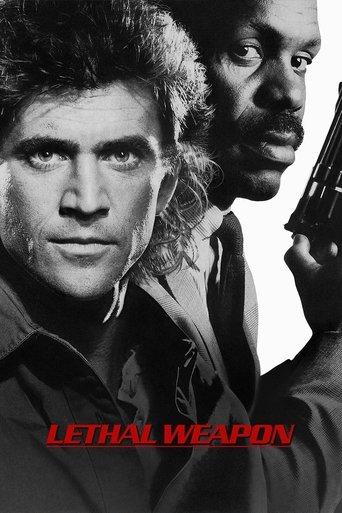
Lethal Weapon
1987
Insufficient evidence
We did not find enough credible, independent evidence to publish a numeric cash-grab score. Unrated is more honest than a guess.
What counts as a cash grab?
Commercial extraction prioritized over meaningful consumer or creative value. Profit, popularity, adaptations, sequels, remakes, high budgets, and normal marketing do not count by themselves.
Why?
Lethal Weapon (1987) shows strong evidence of being a creatively driven commercial film rather than a cash grab. The property began as a spec screenplay purchased from then-new writer Shane Black, it was directed by Richard Donner with notable above and below the line talent, and contemporary production records describe extensive stunt preparation and multi-night action shoots. The film earned widespread positive reviews and roughly $120 million worldwide on a roughly $15 million budget. Searches found no credible reporting of predatory monetization or deceptive release practices tied to the original 1987 release.
- No credible contemporaneous reporting found that alleges predatory monetization or deceptive release practices for the 1987 theatrical release.
- The screenplay was a spec sale, bought from young writer Shane Black, indicating original creative provenance.
- Production records document substantial stunt work, actor training, and multi-night action shoots, showing costly practical craft.
View full breakdownHide full breakdown
Score factors
| Direction | Factor | Evidence | Impact |
|---|---|---|---|
| Against | Spec screenplay origin | Shane Black sold Lethal Weapon as a spec screenplay to Warner Bros for about $250,000 before production.[3][1][2] | -16 |
| Against | Extensive stunt and practical production work | AFI production notes document dedicated stunt design, a dedication to stuntman Dar Robinson, actors trained under stunt coordinator Bobby Bass, and a final fight shot over four nights.[1] | -18 |
| Against | High-profile creative contributors | The film employed experienced director Richard Donner, cinematographer Stephen Goldblatt and a score by Michael Kamen with Eric Clapton and David Sanborn contributing, indicating significant artistic investment.[1][8][7] | -7 |
| Against | Contemporary critical praise and box office success | Contemporary reviews such as Roger Ebert praised the film and box office records show roughly $120.2 million worldwide on an approximate $15 million production budget.[6][5][4] | -14 |
Confidence: Low · No source-backed commercial-extraction signal was found. · Researched 2026-07-27
Sources reviewed
- [1]catalog.afi.com
- [2]en.wikipedia.org
- [3]www.latimes.com
- [4]www.the-numbers.com
- [5]www.boxofficemojo.com
- [6]www.rogerebert.com
- [7]theasc.com
- [8]www.michaelkamen.com
- [9]www.rottentomatoes.com
- [10]www.imdb.com
View 106 more sourcesShow fewer sources
- [11]en.wikipedia.org
- [12]www.the-numbers.com
- [13]en.wikipedia.org
- [14]www.rogerebert.com
- [15]en.wikipedia.org
- [16]www.jpbox-office.com
- [17]www.imdb.com
- [18]en.wikipedia.org
- [19]vhscollector.com
- [20]m.imdb.com
- [21]www.worldradiohistory.com
- [22]www.washingtonpost.com
- [23]en.wikipedia.org
- [24]en.wikipedia.org
- [25]assets.scriptslug.com
- [26]device.report
- [27]www.worldradiohistory.com
- [28]www.reddit.com
- [29]device.report
- [30]www.worldradiohistory.com
- [31]www.reddit.com
- [32]www.irishtimes.com
- [33]en.wikipedia.org
- [34]www.screenwritersutopia.com
- [35]www.ebsco.com
- [36]www.celebritynetworth.com
- [37]www.reddit.com
- [38]www.mentalfloss.com
- [39]checkplease.neocities.org
- [40]www.sfgate.com
- [41]grantland.com
- [42]www.dougrichardson.com
- [43]en.wikipedia.org
- [44]www.reddit.com
- [45]en.wikipedia.org
- [46]www.reddit.com
- [47]zionguide.com
- [48]www.rogerebert.com
- [49]www.latimes.com
- [50]en.wikipedia.org
- [51]www.rogerebert.com
- [52]www.rogerebert.com
- [53]www.rogerebert.com
- [54]www.imdb.com
- [55]www.films101.com
- [56]checkplease.neocities.org
- [57]etd.ohiolink.edu
- [58]everything.explained.today
- [59]ray.yorksj.ac.uk
- [60]en.wikipedia.org
- [61]en.wikipedia.org
- [62]de.wikipedia.org
- [63]files01.core.ac.uk
- [64]archive.cantonpl.org
- [65]govdocs.nebraska.gov
- [66]repository.gatech.edu
- [67]www.reddit.com
- [68]www.scribd.com
- [69]pdfcoffee.com
- [70]www.scribd.com
- [71]dokumen.pub
- [72]dokumen.pub
- [73]dvdmmorph.tripod.com
- [74]filmuforia.com
- [75]dokumen.pub
- [76]filmuforia.com
- [77]www.amidafunds.com
- [78]www.rottentomatoes.com
- [79]www.rottentomatoes.com
- [80]www.metacritic.com
- [81]www.latimes.com
- [82]www.eyeforfilm.co.uk
- [83]en.wikipedia.org
- [84]www.scifidimensions.com
- [85]www.avforums.com
- [86]oregonnews.uoregon.edu
- [87]en.wikipedia.org
- [88]asset.library.wisc.edu
- [89]d18rn0p25nwr6d.cloudfront.net
- [90]www.mayor.seattle.gov
- [91]lfop.co.uk
- [92]www.criteriononline.com
- [93]en.wikipedia.org
- [94]www.reddit.com
- [95]www.michaelkamen.com
- [96]en.wikipedia.org
- [97]www.imdb.com
- [98]music.apple.com
- [99]www.imdb.com
- [100]open.spotify.com
- [101]www.michaelkamen.com
- [102]m.imdb.com
- [103]music.apple.com
- [104]www.michaelkamen.com
- [105]www.michaelkamen.com
- [106]www.qobuz.com
- [107]www.worldradiohistory.com
- [108]en.wikipedia.org
- [109]en.wikipedia.org
- [110]www.worldradiohistory.com
- [111]www.allcinema.net
- [112]filmmusicjournal.ch
- [113]www.filmscoremonthly.com
- [114]australianrecordlabels.com
- [115]www.reddit.com
- [116]www.imdb.com