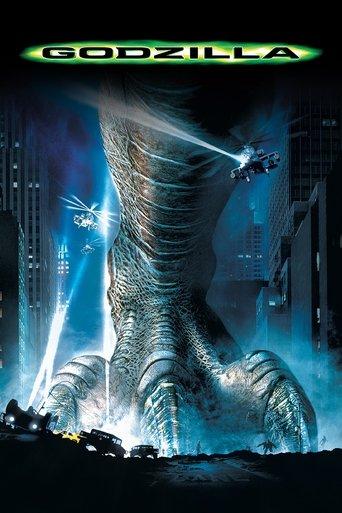
Godzilla
1998
There are sourced concerns, but the case is limited.
What counts as a cash grab?
Commercial extraction prioritized over meaningful consumer or creative value. Profit, popularity, adaptations, sequels, remakes, high budgets, and normal marketing do not count by themselves.
Why?
Godzilla (1998) shows credible commercial prioritization signals, TriStar spent heavily to market and brand the film worldwide with reported production costs around $130-150 million and roughly $80 million in marketing, and contemporary critics and commentators compared it to a Jurassic Park style dinosaur cash-in. At the same time production reporting documents extensive visual effects work, a large VFX team, and an attempted creative reimagining of the character, indicating substantial production investment despite fan and critical backlash over the redesign.
- TriStar pursued heavy global marketing and brand/licensing deals, with reported $80 million in advertising.
- Contemporary critics and commentators framed the film as an attempt to capitalize on 1990s dinosaur blockbusters.
- Production reporting documents a large budget and extensive visual effects work, showing significant production investment.
View full breakdownHide full breakdown
- Post-production leaks and last-minute effects changes indicate rushed or reactive production choices.
- No sourced evidence was found of predatory consumer pricing or explicit deceptive sales practices beyond aggressive marketing.
Score factors
| Direction | Factor | Evidence | Impact |
|---|---|---|---|
| For | Heavy marketing spend | Contemporary reporting and reference sources report a production budget of roughly $130-150 million and an estimated $80 million spent on worldwide marketing for TriStar's Godzilla (1998).[2] | +23 |
| Against | Extensive VFX and production work | Production reporting documents a large VFX team, named visual effects supervisors, and hundreds of VFX shots indicating significant technical and financial investment in effects work.[1][3] | -15 |
| For | Critics compared it to dinosaur cash-in | Multiple contemporary and retrospective critics and commentators compared the film to Jurassic Park era dinosaur blockbusters and described it as an attempt to cash in on that trend.[4][5] | +10 |
| For | Post-production leaks and last-minute changes | Reporting and production histories note that leaks about Godzilla’s power breath forced last-minute changes and that visual effects were running behind schedule.[1] | +9 |
| Against | Artistic risk met with negative reviews | Major critics and cultural commentators acknowledged the film’s creative risks, such as redesigning the monster, while ultimately criticizing the results and the film’s handling of the source material.[6][7] | -5 |
Confidence: High · Contemporary reporting, major reviews, and production histories provide direct numbers and documented production choices, though there is limited direct evidence of predatory pricing or explicit deceptive monetization beyond aggressive marketing and brand strategy. · Researched 2026-09-21
Sources reviewed
- [1]scifijapan.com
- [2]www.latimes.com
- [3]www.artofvfx.com
- [4]www.dreadcentral.com
- [5]www.slate.com
- [6]www.rogerebert.com
- [7]www.newyorker.com
- [8]en.wikipedia.org
- [9]kiwix.scoggi.net
- [10]astoundingbeyondbelief.blogspot.com
View 22 more sourcesShow fewer sources
- [11]pdfcoffee.com
- [12]en.wikipedia.org
- [13]misantropey.com
- [14]vfxvoice.com
- [15]www.tohokingdom.com
- [16]www.splicetoday.com
- [17]www.reddit.com
- [18]www.forbes.com
- [19]letterboxd.com
- [20]en.wikipedia.org
- [21]www.reddit.com
- [22]en.wikipedia.org
- [23]kiwi.itspektar.net
- [24]wikizilla.org
- [25]wikizilla.teq.wiki
- [26]kiwix.starmango.org
- [27]www.cinafilm.com
- [28]www.youtube.com
- [29]www.thekaijuologist.com
- [30]www.worldradiohistory.com
- [31]everything.explained.today
- [32]www.reddit.com
What does the community think?
The AI found some cash-grab signs. What's your read?
Loading community verdict…