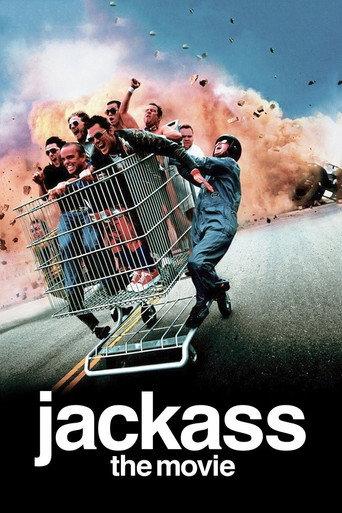
Jackass: The Movie
2002
The sourced concerns are substantially offset by delivered value.
What counts as a cash grab?
Commercial extraction prioritized over meaningful consumer or creative value. Profit, popularity, adaptations, sequels, remakes, high budgets, and normal marketing do not count by themselves.
Why?
Jackass: The Movie (2002) was a low budget adaptation of the MTV series that proved highly profitable, but I found no credible evidence of predatory monetization, deceptive release practices, or explicit price gouging. Contemporary reviews and reporting describe the film as a theatrical expansion of the TV show, which supports a reuse concern, yet production reporting and a released making of feature show original, dangerous stunts and intentional production work that mitigate a pure cash grab conclusion.
- No evidence found of predatory monetization, deceptive pricing, or abusive consumer practices in theatrical release or distribution.
- Contemporary critics framed the film as an extended TV-format stunt compilation, supporting a low-effort reuse concern.
- Box office and budget figures show large commercial upside from a small budget, indicating extraction through normal theatrical success.
View full breakdownHide full breakdown
- Production materials including a dedicated 'making of' feature and reporting describe original, risky stunts and production effort that weigh against a simple cash-grab label.
Score factors
| Direction | Factor | Evidence | Impact |
|---|---|---|---|
| For | Exploitative monetization | I found no reporting of predatory monetization, deceptive pricing, or pay-structure abuses tied to the film's theatrical release.[1] | +20 |
| For | Repackaging TV format | Multiple reviews and the film's own descriptions characterize it as an extended version of the MTV show, indicating reuse of the program's stunt/prank format rather than wholly new narrative content.[2] | +18 |
| Against | Documented production work | A behind-the-scenes 'Making of Jackass: The Movie' feature and press coverage document original stunt work and production planning, indicating meaningful production effort beyond simple repackaging.[3] | -15 |
| Against | Original stunt content | Contemporary reviews and reporting note new, risky theatrical stunts and sequences not present on the TV episodes, which supports substantive new content rather than mere clip compilation.[2][1] | -12 |
| For | Release practices | Trade and mainstream coverage document a normal wide theatrical release and box office reporting, with no contemporary evidence of deceptive or rushed release tactics.[4] | +6 |
Confidence: High · Contemporary box office records, trade reporting, and multiple mainstream reviews provide direct evidence on commercial performance and production; internal studio motivations and contract terms are not public which limits certainty on intent. · Researched 2026-08-12
Sources reviewed
- [1]www.latimes.com
- [2]www.avclub.com
- [3]www.imdb.com
- [4]www.cbsnews.com
- [5]www.boxofficemojo.com
- [6]www.imdb.com
- [7]en.wikipedia.org
- [8]www.the-numbers.com
- [9]www.the-numbers.com
- [10]editorial.rottentomatoes.com
View 14 more sourcesShow fewer sources
What does the community think?
The AI sees low cash-grab risk. What's your read?
Loading community verdict…