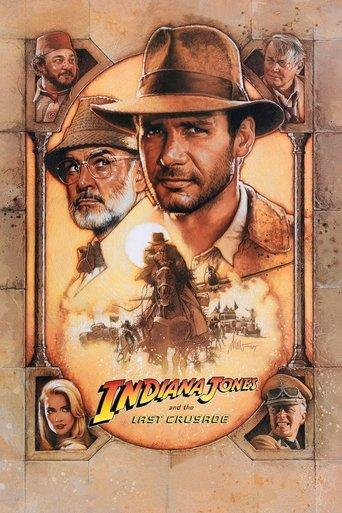
Indiana Jones and the Last Crusade
1989
Insufficient evidence
We did not find enough credible, independent evidence to publish a numeric cash-grab score. Unrated is more honest than a guess.
What counts as a cash grab?
Commercial extraction prioritized over meaningful consumer or creative value. Profit, popularity, adaptations, sequels, remakes, high budgets, and normal marketing do not count by themselves.
Why?
Indiana Jones and the Last Crusade (1989) shows strong evidence of being a fully produced major studio adventure rather than a commercial extraction. Production records, a $48 million budget, months-long principal photography and early digital visual‑effects work indicate significant craft and investment. Contemporary critical reviews were largely positive and the film was the top global grosser of 1989, while licensed tie-ins such as two LucasArts games were typical commercial tie-ins not reported as predatory. I found no credible reporting that the film was rushed, deceptively released, or monetized in a predatory way.
- Large production budget and extended principal photography show substantial investment.
- Contemporary critical reception and box office success indicate clear consumer value.
- The film included technical innovation, ILM’s early all‑digital composite for Donovan’s death.
View full breakdownHide full breakdown
Score factors
| Direction | Factor | Evidence | Impact |
|---|---|---|---|
| Against | Production scale and budget | The film had a reported $48 million production budget and months of principal photography across Spain, England and other locations, indicating substantial production investment.[2][4][1] | -18 |
| Against | Technical innovation | Industrial Light & Magic created what is reported as the first all‑digital composite sequence for the film’s Walter Donovan death effect, a months‑long visual effects effort.[7][1] | -9 |
| Against | Original story and creative work | The screenplay credited to Jeffrey Boam based on a story by George Lucas and Menno Meyjes, plus casting of Sean Connery and emphasis on a father‑son storyline, reflect substantive new narrative and creative choices.[1][5][3] | -16 |
| Against | Critical reception and commercial success | Contemporary reviews were largely positive and the film earned roughly $474 million worldwide, becoming the highest‑grossing film of 1989, which indicates clear consumer demand and perceived value at release.[6][2][3] | -14 |
Confidence: Low · No source-backed commercial-extraction signal was found. · Researched 2026-07-24
Sources reviewed
- [1]en.wikipedia.org
- [2]www.boxofficemojo.com
- [3]www.rogerebert.com
- [4]catalog.afi.com
- [5]www.mennomeyjes.com
- [6]www.rottentomatoes.com
- [7]www.filmsite.org
- [8]www.the-numbers.com
- [9]www.imdb.com
- [10]en.wikipedia.org
View 143 more sourcesShow fewer sources
- [11]en.wikipedia.org
- [12]newsroom.hasbro.com
- [13]www.lucasfilm.com
- [14]www.the-numbers.com
- [15]de.wikipedia.org
- [16]en.wikipedia.org
- [17]en.wikipedia-on-ipfs.org
- [18]www.fantasyboxofficegame.com
- [19]www.rogerebert.com
- [20]saturation.io
- [21]en.wikipedia.org
- [22]hasbro.gcs-web.com
- [23]flooroverstock.com
- [24]www.andreamarosi.com
- [25]newsroom.hasbro.com
- [26]manuals.plus
- [27]content.propstore.com
- [28]www.reddit.com
- [29]en.wikipedia.org
- [30]www.imdb.com
- [31]mj.indianajones.de
- [32]www.theindyexperience.com
- [33]www.theindyexperience.com
- [34]f004.backblazeb2.com
- [35]web.library.yale.edu
- [36]imsdb.com
- [37]www.networkisa.org
- [38]imsdb.com
- [39]www.imdb.com
- [40]assets.scriptslug.com
- [41]mj.indianajones.de
- [42]thesuccessfulscreenwriter.com
- [43]usuaris.tinet.cat
- [44]research.hrc.utexas.edu
- [45]research.hrc.utexas.edu
- [46]www.reddit.com
- [47]www.reddit.com
- [48]www.imdb.com
- [49]mj.indianajones.de
- [50]everything.explained.today
- [51]www.lucasfilm.com
- [52]catalog.afi.com
- [53]catalog.afi.com
- [54]www.reddit.com
- [55]www.theindyexperience.com
- [56]afisilver.afi.com
- [57]damianarlyn.blogspot.com
- [58]theasc.com
- [59]en.wikipedia.org
- [60]en.wikipedia.org
- [61]en.wikipedia.org
- [62]afisilver.afi.com
- [63]images1.bonhams.com
- [64]www.reddit.com
- [65]www.reddit.com
- [66]www.reddit.com
- [67]www.yahoo.com
- [68]www.slashfilm.com
- [69]www.reddit.com
- [70]www.reddit.com
- [71]paulwerkema.com
- [72]www.lemonamiga.com
- [73]music.amazon.fr
- [74]www.reddit.com
- [75]www.reddit.com
- [76]midwestfilmjournal.com
- [77]othemts.wordpress.com
- [78]www.reddit.com
- [79]www.imdb.com
- [80]cineramble.com
- [81]www.slantmagazine.com
- [82]www.iheart.com
- [83]www.reddit.com
- [84]www.reddit.com
- [85]www.reddit.com
- [86]www.thedailybeast.com
- [87]www.reddit.com
- [88]www.reddit.com
- [89]www.reddit.com
- [90]www.reddit.com
- [91]lucasfilm.fandom.com
- [92]en.wikipedia.org
- [93]www.imdb.com
- [94]www.mobygames.com
- [95]indianajones.fandom.com
- [96]retrofreakreviews.com
- [97]www.mobygames.com
- [98]www.computinghistory.org.uk
- [99]www.pcgamingwiki.com
- [100]www.pcgamer.com
- [101]www.ataricompendium.com
- [102]video-games.fandom.com
- [103]indianajones.fandom.com
- [104]en.wikipedia.org
- [105]www.filfre.net
- [106]www.commodore.ca
- [107]www.electronicsandbooks.com
- [108]pt.wikipedia.org
- [109]www.atarimania.com
- [110]pied.nu
- [111]it.wikipedia.org
- [112]amigaland.com
- [113]www.reddit.com
- [114]www.reddit.com
- [115]1library.net
- [116]dokumen.pub
- [117]studylib.net
- [118]www.retrojunk.com
- [119]es.scribd.com
- [120]pdfcoffee.com
- [121]pdfcoffee.com
- [122]www.washingtonpost.com
- [123]www.washingtonpost.com
- [124]www.washingtonpost.com
- [125]www.imdb.com
- [126]www.rottentomatoes.com
- [127]www.mi6community.com
- [128]en-academic.com
- [129]en-academic.com
- [130]en-academic.com
- [131]en.debaser.it
- [132]www.filmaffinity.com
- [133]es.wikipedia.org
- [134]ru.wikipedia.org
- [135]static1.squarespace.com
- [136]www.westerntc.edu
- [137]pdfs.semanticscholar.org
- [138]it.wikipedia.org
- [139]lib.ui.ac.id
- [140]norwalkpatriot.squarespace.com
- [141]www.imdb.com
- [142]www.metacritic.com
- [143]openoregon.pressbooks.pub
- [144]www.gradesaver.com
- [145]culture.fandom.com
- [146]www.upi.com
- [147]the-jh-movie-collection-official.fandom.com
- [148]d.lib.rochester.edu
- [149]www.imdb.com
- [150]catalog.afi.com
- [151]en.wikipedia.org
- [152]samngaimarble.com
- [153]behbehaniprojects.com