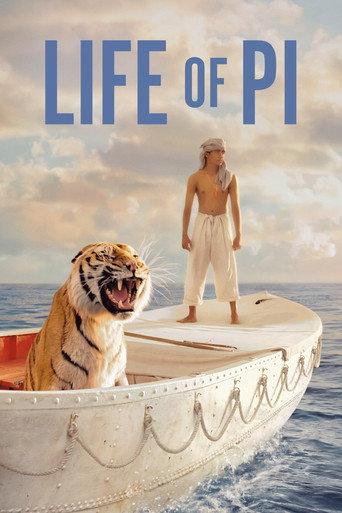
Life of Pi
2012
The sourced concerns are substantially offset by delivered value.
What counts as a cash grab?
Commercial extraction prioritized over meaningful consumer or creative value. Profit, popularity, adaptations, sequels, remakes, high budgets, and normal marketing do not count by themselves.
Why?
Life of Pi (2012) shows substantial, well-documented technical and creative investment rather than obvious signs of a commercial cash grab. Production reporting describes long postproduction, novel 3D workflows, and extensive photoreal visual effects, the film earned major awards and wide critical praise, and there is no sourced evidence of predatory pricing, deceptive release practices, or low-effort reuse. Industry reporting does record the February 2013 bankruptcy of VFX house Rhythm & Hues and subsequent protests, which raise concerns about VFX labor and profit distribution on the project.
- Documented heavy technical and VFX investment and novel 3D/postproduction workflows.
- Widely praised by critics and recognized with major awards, indicating substantive consumer/creative value.
- Rhythm & Hues filed for Chapter 11 in February 2013 and artists protested around the Oscars, signaling VFX industry extraction concerns.
View full breakdownHide full breakdown
- No credible sources found showing predatory monetization, rushed or deceptive release, low-effort reuse, or price/value mismatch for this film.
Score factors
| Direction | Factor | Evidence | Impact |
|---|---|---|---|
| Against | Technical and production investment | Reporting by the Motion Picture Editors Guild documents that Life of Pi required state of the art filmmaking technology, extended postproduction, a large studio build and specialised 3D editing workflows.[1] | -18 |
| Against | Substantive new visual-content work | Interviews and production pieces state the production needed photoreal computer-generated animals and months of VFX layering to create the tiger, ocean and other major sequences.[1] | -17 |
| For | VFX studio bankruptcy and industry protest | Rhythm & Hues, a principal VFX vendor on Life of Pi, filed for Chapter 11 in February 2013 and reporting documents a 2013 protest and criticism that Oscar attention contrasted with the studio's bankruptcy.[3][2] | +15 |
| Against | Artistic and technical risk | Director Ang Lee opted to shoot in stereoscopic 3D and to stage difficult water sequences, choices described in production coverage as risky and central to the film's aesthetic ambitions.[1] | -8 |
Confidence: High · Multiple reputable production reports and industry articles document the film's technical ambition and the Rhythm & Hues bankruptcy; however there is no sourced evidence linking the film to predatory monetization, deceptive release, or low-effort reuse so conclusions about cash-grab status rely on a · Researched 2026-08-26
Sources reviewed
- [1]cinemontage.org
- [2]www.wired.com
- [3]www.theguardian.com
- [4]en.wikipedia.org
- [5]en.wikipedia.org
- [6]www.rogerebert.com
- [7]www.thewrap.com
- [8]www.fastcompany.com
- [9]www.vanityfair.com
- [10]www.latimes.com
View 7 more sourcesShow fewer sources
- [11]www.thewrap.com
- [12]www.latimes.com
- [13]www.sbs.com.au
- [14]www.yahoo.com
- [15]journals.sagepub.com
- [16]en.wikipedia.org
- [17]static.bafta.org
What does the community think?
The AI sees low cash-grab risk. What's your read?
Loading community verdict…