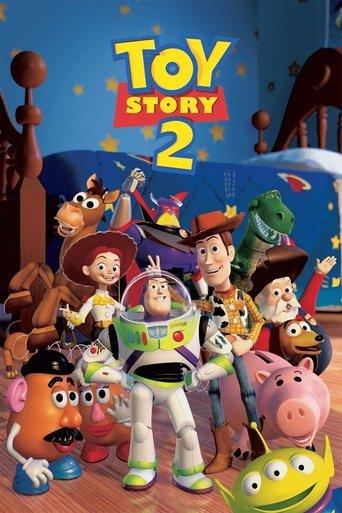
Toy Story 2
1999
The sourced concerns are substantially offset by delivered value.
What counts as a cash grab?
Commercial extraction prioritized over meaningful consumer or creative value. Profit, popularity, adaptations, sequels, remakes, high budgets, and normal marketing do not count by themselves.
Why?
Toy Story 2 was originally conceived by Disney as a direct-to-video follow-up, but Pixar halted the home-video plan and rebuilt the project as a full theatrical feature, investing substantial studio resources, new music, and high-end animation work. The film opened in November 1999 on a roughly $90 million production budget, earned strong box office and awards recognition, and spawned routine tie-ins such as a licensed video game. I found reporting of an initial DTV intent but substantial primary and industry reporting that the final product was a fully resourced theatrical release.
- Disney originally planned Toy Story 2 as a direct-to-video sequel, indicating a franchise monetization intent.
- Pixar reworked and expanded the project into a full theatrical film, committing major resources and restarting production.
- The final film shows high production craft and industry recognition, including a Golden Globe win and an Academy Award nomination for its song.
View full breakdownHide full breakdown
- Merchandising and a licensed video game accompanied release, but I found no reporting of predatory pricing or deceptive rushed release.
Score factors
| Direction | Factor | Evidence | Impact |
|---|---|---|---|
| Against | Pixar converted to theatrical and invested resources | Pixar decided the DTV reels were inadequate, halted the home-video approach, restarted work and converted Toy Story 2 into a fully financed theatrical feature with the studio's principal teams involved.[2][1][3] | -18 |
| Against | High production values and industry recognition | The film was produced on a reported roughly $90 million budget, achieved strong box office returns and earned award recognition including a Golden Globe and an Academy Award nomination for 'When She Loved Me'.[4][6][5] | -18 |
| For | Originally planned as direct-to-video | Contemporary reporting and industry histories state Disney initially intended Toy Story 2 as a direct-to-video sequel, reflecting a corporate plan to monetize the franchise via home video.[7][1] | +15 |
| Against | Major production rescue and technical effort | Reporting and later features document a near-loss of the film when files were accidentally deleted, followed by a time-consuming recovery and painstaking rebuild, which indicates significant technical and labor investment rather than low-effort reuse.[9][8][10] | -8 |
| For | Licensed merchandising and video game tie-in | A licensed video game and standard merchandising were released to coincide with the film, showing commercial tie-ins typical of major studio releases.[11][12] | +5 |
Confidence: High · Contemporary press, studio materials, industry trade reporting and later production histories consistently document both the original DTV plan and Pixar's subsequent theatrical rework; there is extensive coverage but no sourced evidence of predatory monetization or deceptive release practices. · Researched 2026-07-23
Sources reviewed
- [1]awn.com
- [2]www.pixar.com
- [3]www.rogerebert.com
- [4]www.boxofficemojo.com
- [5]www.imdb.com
- [6]www.latimes.com
- [7]www.latimes.com
- [8]www.creativebloq.com
- [9]nofilmschool.com
- [10]www.denofgeek.com
View 123 more sourcesShow fewer sources
- [11]en.wikipedia.org
- [12]www.gamespot.com
- [13]movies.disney.com
- [14]d23.com
- [15]en.wikipedia.org
- [16]en.wikipedia.org
- [17]en.wikipedia.org
- [18]am.animatedviews.com
- [19]www.imdb.com
- [20]www.syfy.com
- [21]en.wikipedia.org
- [22]winteriscoming.net
- [23]en.fmyly.com
- [24]tile.loc.gov
- [25]www.cgw.com
- [26]studio.eecs.umich.edu
- [27]www.reddit.com
- [28]repository.umsu.ac.id
- [29]en.wikipedia.org
- [30]www.graphics.cornell.edu
- [31]www.reddit.com
- [32]www.latimes.com
- [33]www.latimes.com
- [34]www.latimes.com
- [35]www.salon.com
- [36]www.tvinsider.com
- [37]www.dix-project.net
- [38]www.spokesman.com
- [39]www.ocscreenwriters.org
- [40]share.confex.com
- [41]new-toy-story.fandom.com
- [42]www.bloomsburyvisualarts.com
- [43]scratchpad.fandom.com
- [44]www.reelmatters.com
- [45]moodle2.units.it
- [46]ru.wikipedia.org
- [47]en.everybodywiki.com
- [48]dokumen.pub
- [49]www.scribd.com
- [50]doczz.net
- [51]dokumen.pub
- [52]www.slideshare.net
- [53]huggingface.co
- [54]justapedia.org
- [55]tamdiepblog.wordpress.com
- [56]pdfcoffee.com
- [57]www.boxofficemojo.com
- [58]www.boxofficemojo.com
- [59]www.brandongray.com
- [60]www.boxofficemojo.com
- [61]en.wikipedia.org
- [62]www.boxofficemojo.com
- [63]www.boxofficemojo.com
- [64]www.brandongray.com
- [65]www.boxofficemojo.com
- [66]www.reddit.com
- [67]en.wikipedia.org
- [68]www.brandongray.com
- [69]en.wikipedia.org
- [70]pixar.fandom.com
- [71]podcasts.apple.com
- [72]www.kocca.kr
- [73]auetd.auburn.edu
- [74]fileserver-az.core.ac.uk
- [75]core.ac.uk
- [76]www.maxwell.vrac.puc-rio.br
- [77]www.reddit.com
- [78]www.reddit.com
- [79]www.imdb.com
- [80]www.imdb.com
- [81]gamefaqs.gamespot.com
- [82]gamefaqs.gamespot.com
- [83]www.gamespot.com
- [84]www.gamespot.com
- [85]www.arcade-history.com
- [86]gamefaqs.gamespot.com
- [87]gamefaqs.gamespot.com
- [88]gamefaqs.gamespot.com
- [89]www.nintendolife.com
- [90]en.wikipedia.org
- [91]en.wikipedia.org
- [92]en.wikipedia.org
- [93]en.wikipedia.org
- [94]investor.activision.com
- [95]www.rfgeneration.com
- [96]api-ri.ufr.edu.br
- [97]www.rfgeneration.com
- [98]files.core.ac.uk
- [99]www.digitpress.com
- [100]www.reddit.com
- [101]en.wikipedia.org
- [102]en.wikipedia.org
- [103]www.vanityfair.com
- [104]www.whatsong.org
- [105]en.wikipedia.org
- [106]www.imdb.com
- [107]new-toy-story.fandom.com
- [108]music.apple.com
- [109]www.soundtrackinfo.com
- [110]music.apple.com
- [111]music.apple.com
- [112]music.apple.com
- [113]music.apple.com
- [114]www.imdb.com
- [115]de.wikipedia.org
- [116]www.worldradiohistory.com
- [117]www.worldradiohistory.com
- [118]www.worldradiohistory.com
- [119]static1.squarespace.com
- [120]epapers.uwsp.edu
- [121]cantusyouthchoirs.com
- [122]www.reddit.com
- [123]everything.explained.today
- [124]www.whatsafterthemovie.com
- [125]www.digitalhit.com
- [126]filmmusic.com
- [127]www.awardsandshows.com
- [128]www.jimcarreyonline.com
- [129]www.listchallenges.com
- [130]the-jh-movie-collection-official.fandom.com
- [131]disney-material.fandom.com
- [132]walt-disney-movies-series.fandom.com
- [133]programma.futurefilmfestival.it
What does the community think?
The AI sees low cash-grab risk. What's your read?
Loading community verdict…