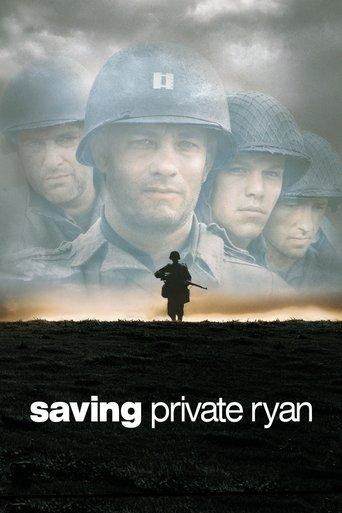
Saving Private Ryan
1998
The sourced concerns are substantially offset by delivered value.
What counts as a cash grab?
Commercial extraction prioritized over meaningful consumer or creative value. Profit, popularity, adaptations, sequels, remakes, high budgets, and normal marketing do not count by themselves.
Why?
Saving Private Ryan (1998) shows strong, specific evidence of substantial creative and technical investment rather than commercial extraction. Contemporary production reporting documents ambitious cinematography, complex visual effects integration, and a graphic D-Day sequence that Steven Spielberg and Janusz Kamiński developed at length. The film won multiple Academy Awards and achieved major box office success, and studio materials describe standard theatrical and home-video releases, with no credible reporting of predatory monetization, rushed launches, or deceptive pricing practices.
- No credible reporting found of predatory monetization, deceptive release tactics, or other extraction signals.
- Documented technical and VFX work including ILM integration supports high production craft.
- Major industry awards and critical acclaim indicate clear creative and consumer value.
View full breakdownHide full breakdown
- Original screenplay and extensive production coverage show substantive new content and artistic risk.
Score factors
| Direction | Factor | Evidence | Impact |
|---|---|---|---|
| Against | Documented production craft and VFX | Industrial Light & Magic and production reporting describe bespoke VFX work and camera techniques to integrate digital elements with Janusz Kamiński's handheld, low-shutter cinematography for the Omaha Beach sequence.[3][1] | -18 |
| Against | Critical acclaim and awards | The film received widespread critical praise and won five Academy Awards including Best Director and Best Cinematography, indicating recognized creative merit and consumer value.[2][1] | -16 |
| Against | Original screenplay and substantive content | Saving Private Ryan is based on an original screenplay by Robert Rodat with substantial new narrative and thematic material rather than shallow reuse of existing IP.[2][4] | -12 |
| Against | Artistic and technical risk in staging | Spielberg and his collaborators deliberately pursued a graphic, documentary-style depiction of D-Day and an extended near three-hour runtime, choices noted in production histories as artistic risk-taking.[2][1] | -9 |
| For | No predatory monetization found | Contemporary press coverage and studio release materials describe standard theatrical and home-video distribution with no credible allegations of exploitative pricing or deceptive monetization.[6][5] | +8 |
Confidence: High · Multiple authoritative production sources, studio pages, and contemporary press coverage document technical effort, awards, and standard release practices, and no credible sources allege predatory monetization or rushed deceptive release; gaps are limited to archival marketing detail about ancillary · Researched 2026-08-02
Sources reviewed
- [1]www.filmsite.org
- [2]en.wikipedia.org
- [3]www.ilm.com
- [4]amblin.com
- [5]www.paramountpictures.com
- [6]www.washingtonpost.com
- [7]www.imdb.com
- [8]en.wikipedia.org
- [9]eppc.org
- [10]www.europeanfilmawards.eu
View 14 more sourcesShow fewer sources
- [11]en.wikipedia.org
- [12]en.wikipedia.org
- [13]goldenglobes.com
- [14]de.wikipedia.org
- [15]www.cinemahumain.com
- [16]www.tandfonline.com
- [17]en.wikipedia.org
- [18]deepblue.lib.umich.edu
- [19]ojs.library.ubc.ca
- [20]researchers-admin.westernsydney.edu.au
- [21]www.reddit.com
- [22]www.reddit.com
- [23]www.reddit.com
- [24]arxiv.org
What does the community think?
The AI sees low cash-grab risk. What's your read?
Loading community verdict…