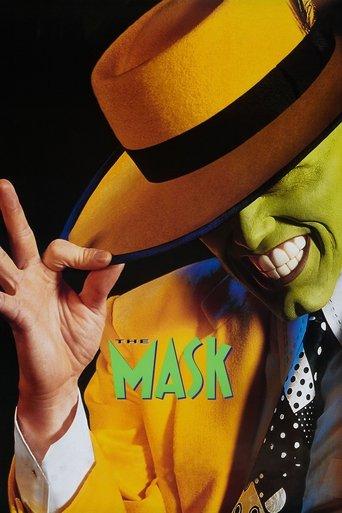
The Mask
1994
The sourced concerns are substantially offset by delivered value.
What counts as a cash grab?
Commercial extraction prioritized over meaningful consumer or creative value. Profit, popularity, adaptations, sequels, remakes, high budgets, and normal marketing do not count by themselves.
Why?
The Mask (1994) shows strong evidence of substantial production investment and creative work rather than being a straightforward cash grab. The film had a modest production budget (reported $18-23 million) and earned roughly $351.8 million worldwide, it employed significant visual-effects work led by Industrial Light & Magic which earned an Academy Award nomination in 1995, and contemporary reviews praised Jim Carrey and the film's effects. I found tie-ins and downstream franchising but no credible reporting of predatory pricing, rushed deception, or low-effort reuse specific to the 1994 release.
- Industrial Light & Magic and the film’s visual-effects work were prominent and earned an Academy Award nomination, indicating significant technical investment.
- Contemporary reviews and critic coverage praised the film’s craft and Jim Carrey’s performance, supporting substantive consumer value.
- The movie generated large box-office returns and later tie-ins including an animated TV series and licensed games, showing commercial exploitation but not by itself proof of extraction.
View full breakdownHide full breakdown
- I found no credible sources documenting predatory monetization, deceptive release practices, or demonstrable low-effort reuse for the 1994 film.
Score factors
| Direction | Factor | Evidence | Impact |
|---|---|---|---|
| Against | Significant visual-effects investment | Industrial Light & Magic led the movie’s Tex-Avery inspired visual-effects work and the film received an Academy Award nomination for Best Visual Effects at the 67th Oscars.[2][1] | -18 |
| Against | Adaptation altered tone and added original elements | The feature is a loose adaptation of the Dark Horse comics that reworked the darker source material into a broadly comedic, musical-tinged studio film with new character beats and sequences described in production interviews and making-of materials.[3] | -15 |
| Against | Positive critical and audience reception | Major critics and aggregators documented generally favorable reviews, highlighting Jim Carrey’s performance and the film’s entertainment value for audiences.[4][5] | -11 |
| For | Commercial franchising and tie-ins followed success | After the film’s theatrical success it spawned an animated series (1995-1997) and licensed video-game tie-ins, showing clear commercial franchising activity after release.[6][7] | +8 |
Confidence: High · Multiple primary and reputable secondary sources document the film’s budget, box office, production interviews, ILM involvement and awards nominations; there is a lack of reporting or documentary evidence of predatory monetization, misleading release practices, or demonstrable low-effort reuse speci · Researched 2026-07-24
Sources reviewed
- [1]www.oscars.org
- [2]www.ilm.com
- [3]www.thedigitalbits.com
- [4]www.rogerebert.com
- [5]www.rottentomatoes.com
- [6]www.boxofficemojo.com
- [7]en.wikipedia.org
- [8]en.wikipedia.org
- [9]www.the-numbers.com
- [10]en.wikipedia.org
View 96 more sourcesShow fewer sources
- [11]m.imdb.com
- [12]www.the-numbers.com
- [13]www.upi.com
- [14]en.wikipedia.org
- [15]www.jpbox-office.com
- [16]boxoffice.filmdb.co.uk
- [17]www.latimes.com
- [18]pages.cs.wisc.edu
- [19]en.wikipedia.org
- [20]everything.explained.today
- [21]www.latimes.com
- [22]en.wikipedia.org
- [23]it.wikipedia.org
- [24]pages.cs.wisc.edu
- [25]www.reddit.com
- [26]www.worldradiohistory.com
- [27]www.worldradiohistory.com
- [28]www.imdb.com
- [29]www.bafta.org
- [30]www.bafta.org
- [31]awardsdatabase.oscars.org
- [32]en.wikipedia.org
- [33]www.bafta.org
- [34]www.latimes.com
- [35]www.imdb.com
- [36]www.washingtonpost.com
- [37]www.imdb.com
- [38]www.tvguide.com
- [39]en.wikipedia.org
- [40]en.wikipedia.org
- [41]archive.aec.at
- [42]iiif.library.cmu.edu
- [43]en.wikipedia.org
- [44]api.pageplace.de
- [45]www.oscars.org
- [46]50mphpodcast.com
- [47]www.reddit.com
- [48]citeseerx.ist.psu.edu
- [49]www.latimes.com
- [50]www.slashfilm.com
- [51]www.theringer.com
- [52]www.imdb.com
- [53]horrorcultfilms.co.uk
- [54]themovieisle.com
- [55]cinemaretro.com
- [56]www.cinema-crazed.com
- [57]www.reddit.com
- [58]www.scifidimensions.com
- [59]www.worldradiohistory.com
- [60]www.worldradiohistory.com
- [61]blueprintreview.co.uk
- [62]www.filmsite.org
- [63]en.wikipedia.org
- [64]ufdcimages.uflib.ufl.edu
- [65]cfvm.org.uk
- [66]en.wikipedia.org
- [67]www.cinebymovies.com
- [68]justapedia.org
- [69]ultimatepopculture.fandom.com
- [70]en.myshows.me
- [71]www.dvdplanetstore.pk
- [72]www.dvdplanetstore.pk
- [73]smartv-streaming.com
- [74]kids.kiddle.co
- [75]www.alternatehistory.com
- [76]pdfcoffee.com
- [77]doczz.net
- [78]disqus.com
- [79]www.wikidata.org
- [80]gamefaqs.gamespot.com
- [81]gameboyessentials.com
- [82]www.computinghistory.org.uk
- [83]list.fandom.com
- [84]profilpelajar.com
- [85]archive.nes.science
- [86]academia-lab.com
- [87]pt.scribd.com
- [88]handwiki.org
- [89]pt.scribd.com
- [90]www.latimes.com
- [91]www.rogerebert.com
- [92]www.imdb.com
- [93]www.fandango.com
- [94]www.cinafilm.com
- [95]www.rottentomatoes.com
- [96]www.metacritic.com
- [97]en.wikipedia.org
- [98]scholar.lib.vt.edu
- [99]en.wikipedia.org
- [100]newspapers.swco.ttu.edu
- [101]uplopen.com
- [102]www.degruyterbrill.com
- [103]www.reddit.com
- [104]www.puntolinea.org
- [105]www.reddit.com
- [106]www.reddit.com
What does the community think?
The AI sees low cash-grab risk. What's your read?
Loading community verdict…