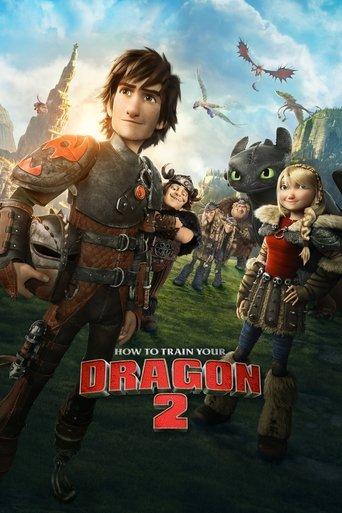
How to Train Your Dragon 2
2014
The sourced concerns are substantially offset by delivered value.
What counts as a cash grab?
Commercial extraction prioritized over meaningful consumer or creative value. Profit, popularity, adaptations, sequels, remakes, high budgets, and normal marketing do not count by themselves.
Why?
How to Train Your Dragon 2, released June 13, 2014, was a high-budget ($145 million) DreamWorks Animation sequel that earned roughly $621.5 million worldwide and received strong critical praise and audience grades. Industry reporting and the film's production notes document substantial preproduction, storyboarding, original scoring, and new narrative content rather than rushed reuse. Trade coverage recorded studio financial expectations and a post-opening share-price reaction, but there is no credible reporting that the release used predatory pricing, deceptive release tactics, or explicit exploitative monetization practices.
- No credible reporting was found alleging predatory monetization, deceptive release, or pay-to-win style exploitation for this film.
- Primary production materials and interviews document deliberate writing, storyboarding, and technical work before animation began.
- Contemporary critical coverage and aggregator summaries show strong critical reception and awards/nomination attention.
View full breakdownHide full breakdown
- Industry business coverage noted box office expectations and a market reaction to opening weekend performance, evidence of commercial stakes but not of consumer exploitation.
Score factors
| Direction | Factor | Evidence | Impact |
|---|---|---|---|
| Against | Documented production preparation | DreamWorks production notes and interviews describe months of writing, storyboarding, and preparation prior to animation, indicating substantial craft investment.[2] | -18 |
| Against | New narrative and worldbuilding | The film adds new locations, numerous wild dragon species, and a new antagonist, material that reviewers and the studio presented as substantive sequel content.[3][1] | -17 |
| Against | Critical acclaim and awards attention | Aggregators and contemporary reviews reported strong critical reception and awards/nominations, supporting genuine artistic recognition rather than merely commercial intent.[7][1] | -8 |
| For | Box office versus studio expectations | Industry coverage documented that DreamWorks faced commercial expectations and the film's opening weekend prompted analyst and stock-market reactions, indicating financial pressures around the release.[5][6][4] | +8 |
| Against | Positive audience reception and product completeness | Contemporary box office reporting and aggregator summaries indicate solid audience grades and a complete theatrical product rather than staggered or microtransaction-style releases.[9][8] | -7 |
Confidence: High · Multiple primary and reputable industry sources covering production notes, critical reception, box office, and SEC filings were available and show substantial craft and no credible allegations of exploitative monetization, though the search was limited to major outlets and contemporaneous reporting. · Researched 2026-09-02
Sources reviewed
- [1]en.wikipedia.org
- [2]doczz.net
- [3]dreamworksarchive.com
- [4]www.foxbusiness.com
- [5]www.fool.com
- [6]labusinessjournal.com
- [7]editorial.rottentomatoes.com
- [8]www.boxofficemojo.com
- [9]editorial.rottentomatoes.com
- [10]www.forbes.com
View 42 more sourcesShow fewer sources
- [11]www.latimes.com
- [12]www.sec.gov
- [13]narrativefirst.com
- [14]ufdcimages.uflib.ufl.edu
- [15]ttabvue.uspto.gov
- [16]www.forbes.com
- [17]en.wikipedia.org
- [18]culturess.com
- [19]weminoredinfilm.com
- [20]ufdcimages.uflib.ufl.edu
- [21]rpgreview.net
- [22]www.rotoscopers.com
- [23]www.reddit.com
- [24]www.reddit.com
- [25]tooeleonline.com
- [26]www.reddit.com
- [27]www.mv-voice.com
- [28]www.reddit.com
- [29]www.reddit.com
- [30]es.wikipedia.org
- [31]www.reddit.com
- [32]en.wikipedia.org
- [33]www.reddit.com
- [34]it.wikipedia.org
- [35]www.reddit.com
- [36]www.reddit.com
- [37]www.reddit.com
- [38]editorial.rottentomatoes.com
- [39]mande.net
- [40]www.latimes.com
- [41]dreamworksarchive.com
- [42]en.wikipedia.org
- [43]ipfs.basearchive.ai
- [44]sightlines.media
- [45]en.wikipedia.org
- [46]www.showtimes.com
- [47]en.wikipedia.org
- [48]www.reddit.com
- [49]lumiere-a.akamaihd.net
- [50]cinemaaudiosociety.org
- [51]www.reddit.com
- [52]lasierra.edu
What does the community think?
The AI sees low cash-grab risk. What's your read?
Loading community verdict…