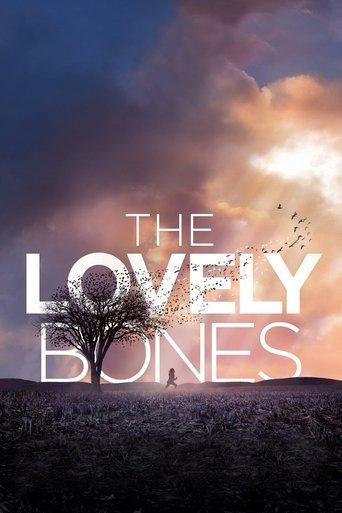
The Lovely Bones
2009
Insufficient evidence
We did not find enough credible, independent evidence to publish a numeric cash-grab score. Unrated is more honest than a guess.
What counts as a cash grab?
Commercial extraction prioritized over meaningful consumer or creative value. Profit, popularity, adaptations, sequels, remakes, high budgets, and normal marketing do not count by themselves.
Why?
The Lovely Bones (released December 2009) was a high-profile adaptation directed by Peter Jackson that drew substantial resources for visualizing its afterlife sequences, and it received mixed to negative critical response focused on tone and adaptation choices rather than monetization or predatory practices. Contemporary production reporting and box-office records show a conventional studio release, a mid-six-figure production budget reported around $65 million, and standard soundtrack and marketing activity. I found no credible reporting that the film was structured as a predatory cash grab.
- Contemporary production reporting and credits show substantial creative and technical investment by Peter Jackson and his team.
- Reviews and features criticize tone and adaptation choices, not exploitative monetization or deceptive release practices.
- Box-office and finance reporting indicate a standard studio-budget release, not evidence of predatory pricing or unusual tie-in monetization.
View full breakdownHide full breakdown
Score factors
| Direction | Factor | Evidence | Impact |
|---|---|---|---|
| Against | Notable production investment | The film was directed by Peter Jackson, credited with a reported $65 million production budget and substantial postproduction work to create its afterlife sequences.[1] | -18 |
| Against | Significant new visual content | Contemporary coverage highlights elaborate, imaginative afterlife visuals and location/postproduction work, indicating substantive new material created for the film rather than cheap reuse.[5][4] | -16 |
| Against | Artistic and tonal risk | Major outlets and reviewers describe the film as a risky tonal shift with ambitious effects and direction, criticisms focused on creative choices rather than monetization tactics.[2][3] | -7 |
| Against | Criticism centered on adaptation, not monetization | Major critics and summaries consistently faulted the film for failing to capture the novel's tone and for stylistic choices, they did not allege cash-grab tactics by the filmmakers or distributor.[2][3][6] | -10 |
Confidence: Low · No source-backed commercial-extraction signal was found. · Researched 2026-07-30
Sources reviewed
- [1]www.boxofficemojo.com
- [2]www.rogerebert.com
- [3]www.latimes.com
- [4]www.screendaily.com
- [5]www.latimes.com
- [6]www.rottentomatoes.com
- [7]en.wikipedia.org
- [8]en.wikipedia.org
- [9]www.rogerebert.com
- [10]www.imdb.com