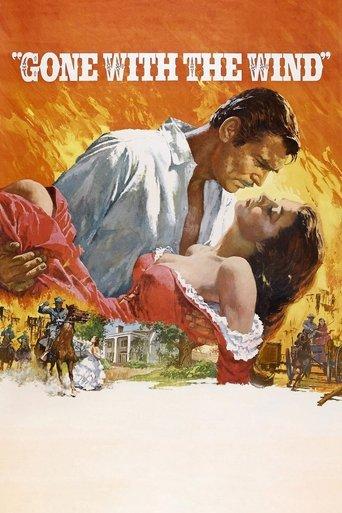
Gone with the Wind
1939
The sourced concerns are substantially offset by delivered value.
What counts as a cash grab?
Commercial extraction prioritized over meaningful consumer or creative value. Profit, popularity, adaptations, sequels, remakes, high budgets, and normal marketing do not count by themselves.
Why?
Gone with the Wind (1939) shows strong evidence of substantial original investment and creative ambition, with a multi‑million dollar production, Technicolor cinematography, a lengthy troubled shoot and major awards recognition. The film was also reissued repeatedly in theaters over decades, which materially increased its lifetime grosses. The available primary and reference sources document both the costly, high‑effort production and the long commercial afterlife through re‑releases, there is no sourced evidence of predatory pricing, rushed release, or deceptive monetization practices.
- The production was expensive and technically ambitious, with prolonged production and multiple directors.
- The film received major awards and sustained critical recognition, indicating substantive artistic value.
- The picture was reissued many times across decades and those reissues contributed large additional box office.
View full breakdownHide full breakdown
- Consulted sources do not document predatory pricing, deceptive release tactics, or explicitly rushed distribution.
Score factors
| Direction | Factor | Evidence | Impact |
|---|---|---|---|
| Against | Large costly production | Contemporary and retrospective accounts record a roughly $3.9 million production, extensive technical work and a protracted, hands‑on production by producer David O. Selznick that involved multiple directors and major studio resources.[1][2] | -18 |
| Against | Adaptation and original creative work | The film adapts Margaret Mitchell's bestselling 1936 novel and required substantial screenplay condensation, original score, casting and production design, leading to major industry recognition including Academy Awards.[2] | -17 |
| For | Documented repeated reissues | Multiple authoritative sources document at least nine major theatrical re‑releases between 1940 and 1998 which materially increased the film's lifetime gross and helped make it the top film when adjusted for inflation.[3][4] | +11 |
| For | Monetization via reissues of existing film | The film's long commercial afterlife relied on repeated theatrical reissues of the original film rather than newly produced sequels or remakes, which represents monetization of existing content over time.[3][1] | +10 |
| Against | Technical ambition and risk | Accounts note the film's Technicolor photography, roadshow engagements and Selznick's personal financial exposure as indicators of significant artistic and commercial risk during production and initial release.[1][4] | -8 |
Confidence: High · Multiple reputable historical and industry sources document production scale, awards and the documented schedule of reissues; gaps remain only in private studio accounting and any contemporaneous pricing tactics which are not reported in the consulted sources. · Researched 2026-08-05
Sources reviewed
- [1]www.tcm.com
- [2]catalog.afi.com
- [3]www.boxofficemojo.com
- [4]www.guinnessworldrecords.com
- [5]www.the-numbers.com
- [6]en.wikipedia.org
- [7]boxoffice.filmdb.co.uk
- [8]goldenglobes.com
- [9]en.wikipedia.org
- [10]en.wikipedia.org
View 9 more sourcesShow fewer sources
What does the community think?
The AI sees low cash-grab risk. What's your read?
Loading community verdict…