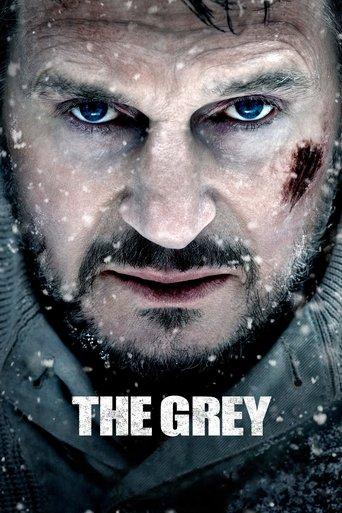
The Grey
2012
The sourced concerns are substantially offset by delivered value.
What counts as a cash grab?
Commercial extraction prioritized over meaningful consumer or creative value. Profit, popularity, adaptations, sequels, remakes, high budgets, and normal marketing do not count by themselves.
Why?
Reporting and reviews from mainstream outlets show The Grey was marketed heavily around Liam Neeson and its wolf-action premise, with some audience disappointment that trailers overstated the film's straightforward action, but I found no credible evidence of predatory monetization or rushed, deceptive release practices. Production coverage and VFX writeups document multi-year development, substantial visual effects work and director Joe Carnahan's on-set choices, including a PETA-noted controversy over wolf carcasses, which overall point toward invested production craft rather than an obvious cash grab.
- Trailers and early marketing emphasized Liam Neeson and action moments, and social media commentary noted people expected more Neeson-centered action based on advertising.
- Searches turned up standard theatrical release, box office reporting, and normal home-video pricing and extras rather than predatory monetization tactics.
- Multiple interviews and production pieces document extended development, significant VFX work, and deliberate on-set choices, indicating substantial production effort.
View full breakdownHide full breakdown
- A controversy over real wolf carcasses and documented VFX work supports artistic and technical risk rather than low-effort reuse.
Score factors
| Direction | Factor | Evidence | Impact |
|---|---|---|---|
| Against | Significant VFX and production effort | A postproduction/VFX feature states Digital Dimension handled roughly 90 percent of the film's visual effects and interviews describe practical and postproduction work, indicating nontrivial technical investment.[2] | -15 |
| Against | Extended development and creative intent | Interviews with Joe Carnahan and press coverage indicate the project had been developed for several years and that Carnahan pursued a specific thematic and tonal approach beyond a simple action premise.[1] | -10 |
| For | Marketing emphasis on Liam Neeson | Contemporary box office and editorial coverage noted marketing foregrounded Liam Neeson and the action imagery, and Rotten Tomatoes editorial and other outlets reported social media disappointment that advertising suggested a larger Neeson/action presence than the film delivered.[3][4] | +9 |
| For | No evidence of exploitative monetization | Searched trade and retail reporting show standard theatrical distribution, typical home-video release and pricing, and no sign of predatory monetization schemes tied to the title.[6][7][5] | +8 |
| Against | Controversial on-set choices indicating risk | Reporting and interviews document that the production used real wolf carcasses for certain scenes and the director said cast members ate wolf meat, a choice that generated PETA criticism and shows commitment to provocative practical effects.[8][1] | -7 |
| For | Standard theatrical and home-video release timeline | Box Office Mojo and TheWrap coverage record a normal theatrical launch and standard subsequent home-video release, without evidence of rushed or deceptive timing to exploit audiences.[10][9] | +3 |
Confidence: High · Multiple contemporary industry articles, interviews, and specialist VFX coverage provide direct reporting on marketing, production, VFX and home-video practices, though no internal financial memos or studio admissions about monetization strategy were available in these sources. · Researched 2026-09-29
Sources reviewed
- [1]www.comingsoon.net
- [2]www.artofvfx.com
- [3]editorial.rottentomatoes.com
- [4]moveablefest.com
- [5]www.the-numbers.com
- [6]www.prnewswire.com
- [7]www.discdish.com
- [8]www.peta.org
- [9]www.thewrap.com
- [10]www.boxofficemojo.com
View 27 more sourcesShow fewer sources
- [11]en.wikipedia.org
- [12]www.boxofficemojo.com
- [13]www.cbsnews.com
- [14]www.nbcuni.co.jp
- [15]es.wikipedia.org
- [16]www.dvdsreleasedates.com
- [17]www.screendaily.com
- [18]en.wikipedia.org
- [19]en.wikipedia.org
- [20]kundaliniandcelltowers.com
- [21]www.annualreports.com
- [22]en.wikipedia.org
- [23]repository.gatech.edu
- [24]ousurvey.qualtrics.com
- [25]en.wikipedia.org
- [26]www.latimes.com
- [27]bloody-disgusting.com
- [28]www.cinemablend.com
- [29]www.breitbart.com
- [30]www.dreadcentral.com
- [31]www.beliefnet.com
- [32]www.complex.com
- [33]www.slashfilm.com
- [34]capitolweekly.net
- [35]en.wikipedia.org
- [36]en.wikipedia.org
- [37]en.wikipedia.org
What does the community think?
The AI sees low cash-grab risk. What's your read?
Loading community verdict…