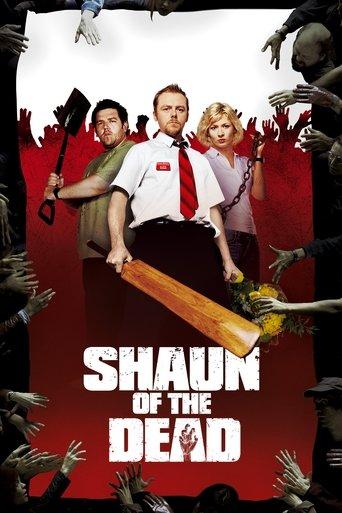
Shaun of the Dead
2004
The sourced concerns are substantially offset by delivered value.
What counts as a cash grab?
Commercial extraction prioritized over meaningful consumer or creative value. Profit, popularity, adaptations, sequels, remakes, high budgets, and normal marketing do not count by themselves.
Why?
Shaun of the Dead is a 2004 British horror comedy written by Simon Pegg and Edgar Wright and directed by Wright. Contemporary production interviews and later retrospectives document a modest but substantial production, deliberate creative choices, and an origin story as a self-aware rom-zom-com rather than an attempt to exploit a franchise. I found no credible reporting of predatory monetization, deceptive release practices, or obvious low-effort reuse, and home releases included multiple special features that indicate a consumer-friendly package.
- No credible reporting found of predatory monetization or deceptive pricing for Shaun of the Dead.
- Documented writing, direction, and an eight week shoot show real production investment and craft.
- Film is widely described as an original rom-zom-com and is credited with redefining horror comedy.
View full breakdownHide full breakdown
- Home media releases included multiple commentaries and extras, suggesting a complete consumer-facing product.
Score factors
| Direction | Factor | Evidence | Impact |
|---|---|---|---|
| For | No evidence of predatory monetization | I found no credible news or trade reporting alleging predatory monetization, exploitative pricing, or similar cash grab practices tied to Shaun of the Dead.[1][2][4] | +18 |
| Against | Documented production investment | Interviews and production reporting state the film had a modest multi-million pound budget, deliberate preproduction and an eight week shoot, indicating material production effort rather than a quick cash extraction.[3][5][1] | -18 |
| Against | Substantive new content and genre blending | The film is widely cited as originating the self-aware rom-zom-com label and blending horror and comedy in a distinctive way, showing substantive original content and creative intent.[1][2] | -17 |
| Against | Consumer friendly home release features | Contemporaneous DVD reporting lists multiple audio commentaries, special features and U-Control style extras, indicating a comprehensive consumer-facing product rather than minimal-revenue packaging.[1][6] | -9 |
| Against | Artistic and technical risk and craft | Director and critics discuss inventive camera work, tight comedic editing and dense visual style, which indicate artistic and technical risk rather than low-effort reuse.[3][6] | -8 |
| For | No evidence of rushed or deceptive release | Available production histories note routine test screenings and a short added ending, but they do not document rushed or deceptive release practices.[7][4] | +8 |
Confidence: High · Contemporary interviews, production histories, and retrospective coverage from reputable outlets provide clear evidence of creative intent and production effort and I found no credible reporting of exploitation, though I did not review internal studio financial documents. · Researched 2026-09-23
Sources reviewed
- [1]en.wikipedia.org
- [2]www.the-independent.com
- [3]www.gq-magazine.co.uk
- [4]www.fangoria.com
- [5]chrisjonesblog.com
- [6]www.eyeforfilm.co.uk
- [7]en.wikipedia.org
- [8]www.theguardian.com
- [9]www.avclub.com
- [10]editorial.rottentomatoes.com
View 10 more sourcesShow fewer sources
What does the community think?
The AI sees low cash-grab risk. What's your read?
Loading community verdict…