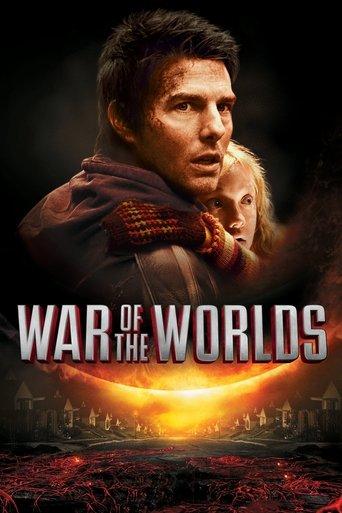
War of the Worlds
2005
The sourced concerns are substantially offset by delivered value.
What counts as a cash grab?
Commercial extraction prioritized over meaningful consumer or creative value. Profit, popularity, adaptations, sequels, remakes, high budgets, and normal marketing do not count by themselves.
Why?
War of the Worlds (2005), directed by Steven Spielberg and starring Tom Cruise, was a major studio production with a reported $132 million production budget and roughly $603 million worldwide box office. Contemporary reporting and reviews emphasize large visual effects, John Williams music, and conventional wide theatrical and home video distribution. I found no credible reporting of predatory monetization, rushed deceptive release tactics, or obvious low-effort reuse; coverage and reviews instead focus on spectacle and mixed opinions about character depth.
- Large budget and extensive VFX and production personnel indicate significant production investment.
- Composer John Williams and notable postproduction work show substantial artistic and technical resources.
- The film was a clear commercial success, grossing over $600 million worldwide.
View full breakdownHide full breakdown
- I found no reportage or disclosures indicating predatory monetization, rushed release, or deceptive pricing.
Score factors
| Direction | Factor | Evidence | Impact |
|---|---|---|---|
| Against | High production values and VFX | Production records list a $132 million budget and the film used extensive digital previsualization and VFX under Spielberg's direction.[2] | -18 |
| For | Strong box office returns | The film grossed roughly $603 million worldwide against a $132 million production budget, showing substantial commercial extraction in theatrical revenue.[1] | +18 |
| Against | No evidence of predatory monetization or deceptive release | Contemporaneous reporting and distribution records show a standard wide theatrical release and a normal home video rollout, with no reporting of predatory pricing, deceptive release practices, or bundled exploitative monetization.[1] | -10 |
| Against | Critics praised spectacle, noted narrative limits | Contemporary criticism commonly praised the film's spectacle and tension while some reviewers, including Roger Ebert, criticized its character development and emotional depth.[4][3] | -6 |
| Against | Conventional distribution and press coverage | Distribution credits and press pieces describe normal studio marketing and distribution handled by major companies rather than a rushed or deceptive launch strategy.[5] | -6 |
Confidence: High · I used reputable production, box office, distribution, and contemporary review sources which give concrete budget, revenue, and coverage; internal studio intent documents are not publicly available so motives cannot be proven beyond public reporting. · Researched 2026-08-08
Sources reviewed
- [1]www.the-numbers.com
- [2]www.boxofficemojo.com
- [3]www.rottentomatoes.com
- [4]www.rogerebert.com
- [5]www.cbsnews.com
- [6]www.rottentomatoes.com
- [7]www.metacritic.com
- [8]en.wikipedia.org
- [9]www.imdb.com
- [10]www.worldwideboxoffice.com
View 12 more sourcesShow fewer sources
What does the community think?
The AI sees low cash-grab risk. What's your read?
Loading community verdict…