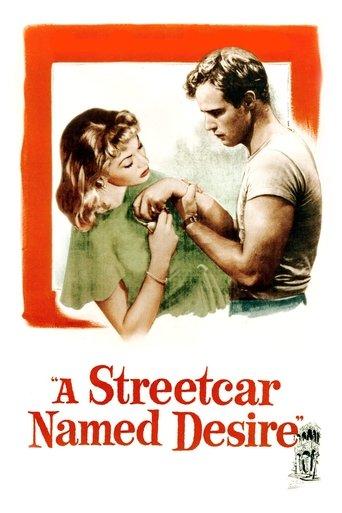
A Streetcar Named Desire
1951
The sourced concerns are substantially offset by delivered value.
What counts as a cash grab?
Commercial extraction prioritized over meaningful consumer or creative value. Profit, popularity, adaptations, sequels, remakes, high budgets, and normal marketing do not count by themselves.
Why?
A Streetcar Named Desire (1951) shows strong evidence of being a serious, craft-driven film rather than a commercial extraction. The picture adapts Tennessee Williams's Pulitzer Prize play with involvement from major creative figures, it reunited stage performers and added Vivien Leigh for star power, and it won multiple Academy Awards while earning solid box office returns. I found no credible contemporary or scholarly reporting that the film was released or marketed with predatory monetization, rushed deceptive practices, or other hallmarks of a cash grab.
- The film won multiple Academy Awards and received wide critical acclaim, indicating high production and artistic value.
- The screenplay and production involved Tennessee Williams, Elia Kazan, and several principal actors from the Broadway production.
- Marlon Brando's performance and Kazan's direction are cited as influential innovations in film acting and staging.
View full breakdownHide full breakdown
- I found no contemporary evidence of predatory monetization, deceptive release practices, or low-effort reuse meant to exploit the brand.
Score factors
| Direction | Factor | Evidence | Impact |
|---|---|---|---|
| Against | Awards and critical recognition | A Streetcar Named Desire won multiple Academy Awards including Best Actress and two supporting acting awards, and it is widely cited in film histories as a major artistic achievement.[1] | -18 |
| Against | Playwright and director involvement | The film adaptation was made from Tennessee Williams's Pulitzer-winning play and the production involved Elia Kazan as director, with screenplay credits tied to the theatrical source, indicating substantive creative investment.[1] | -14 |
| Against | Stage-to-screen craft and performances | Several principal actors reprised their Broadway roles, Vivien Leigh was cast from the London production, and Marlon Brando's performance is documented as an influential, craft-forward screen acting breakthrough.[3] | -8 |
| Against | Box office and distribution history | Contemporary box office records and later home-video release listings show the film performed well commercially and received standard theatrical and home distribution, without evidence of exploitative pricing or deceptive bundling.[2] | -8 |
| For | Absence of extraction signals | Search of contemporary and retrospective sources revealed no reporting of rushed releases, predatory monetization, deceptive marketing, or materially low-effort reuse consistent with a cash grab.[1] | +8 |
Confidence: High · The film is well documented in authoritative sources including Academy records, TCM, Yale film notes, and box office databases, those sources strongly support mitigating evidence and show no credible signs of predatory monetization, though primary studio accounting detail on distributor margins is n · Researched 2026-08-09
Sources reviewed
- [1]www.tcm.com
- [2]www.the-numbers.com
- [3]web.library.yale.edu
- [4]www.oscars.org
- [5]en.wikipedia.org
- [6]www.imdb.com
- [7]www.oscars.org
- [8]en.wikipedia.org
- [9]en.wikipedia.org
- [10]www.oscars.org
View 11 more sourcesShow fewer sources
What does the community think?
The AI sees low cash-grab risk. What's your read?
Loading community verdict…