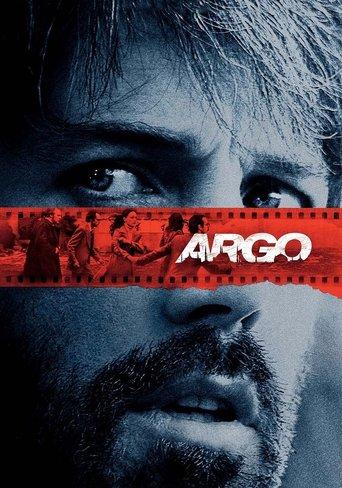
Argo
2012
The sourced concerns are substantially offset by delivered value.
What counts as a cash grab?
Commercial extraction prioritized over meaningful consumer or creative value. Profit, popularity, adaptations, sequels, remakes, high budgets, and normal marketing do not count by themselves.
Why?
Argo (2012) shows strong evidence of substantial production investment and critical recognition rather than predatory commercial extraction. Reporting documents a multiweek location shoot, a roughly $44 million production budget with significant local spending, and wide critical acclaim culminating in major awards including Best Picture, which indicates substantive craft and consumer value. Scholarly and journalistic pieces note dramatic license and some political framing, but no credible sources document predatory monetization, deceptive release tactics, or low-effort reuse intended primarily to exploit the brand.
- Contemporary reporting records a full production with a multiweek shoot and a ~$44 million budget, indicating significant production effort.
- The film received major critical recognition and major awards, including Best Picture, showing industry and critical validation of craft.
- Journalistic accounts and participant statements acknowledge dramatic license and omissions, these are accuracy critiques not monetization or low-effort reuse charges.
View full breakdownHide full breakdown
- No credible reporting was found that documents predatory monetization, exploitative pricing, or rushed/deceptive release practices tied to Argo.
Score factors
| Direction | Factor | Evidence | Impact |
|---|---|---|---|
| Against | Production investment and scope | Reporting by the Los Angeles Times documents a 14-week shoot across Los Angeles, Turkey and Washington D.C. and a production cost of about $44 million with $31 million spent locally, indicating substantial production resources and on-location work.[1] | -18 |
| Against | Critical and awards recognition | Major press coverage records that Argo won Best Picture at the 2013 Academy Awards and received widespread critical praise, which supports that the film delivered recognized creative and technical value.[2] | -17 |
| For | No credible reporting of exploitative monetization | Searches of contemporary major trade and mainstream coverage turned up no credible reporting of predatory monetization, aggressive franchising, deceptive pricing, or exploitative release tactics connected to Argo.[1][2][3] | +13 |
| For | Reported CIA involvement and political framing | Academic and journalistic commentary has documented debate over CIA involvement and the film’s political framing, presenting a substantive critique about perspective rather than showing commercial exploitation for quick profit.[4] | +9 |
| Against | Accuracy critiques do not equal cash grab | Contemporary coverage and interviews document that the film takes dramatic license and compresses or alters historical events, but those critiques are about accuracy and narrative framing, not evidence of predatory commercial extraction.[3] | -7 |
Confidence: High · Quality reporting from major outlets on production scale, awards, and critical reception provides strong evidence; gaps include absence of exhaustive merchandising release filings but there is no reporting indicating predatory monetization or rushed deceptive release practices. · Researched 2026-08-04
Sources reviewed
- [1]www.latimes.com
- [2]www.theguardian.com
- [3]www.thewrap.com
- [4]elischolar.library.yale.edu
- [5]www.reviewjournal.com
- [6]time.com
- [7]www.thewrap.com
- [8]en.wikipedia.org
- [9]abcnews.go.com
- [10]www.birmingham.ac.uk
View 9 more sourcesShow fewer sources
What does the community think?
The AI sees low cash-grab risk. What's your read?
Loading community verdict…