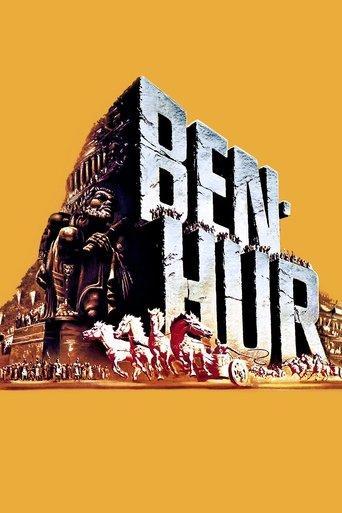
Ben-Hur
1959
Insufficient evidence
We did not find enough credible, independent evidence to publish a numeric cash-grab score. Unrated is more honest than a guess.
What counts as a cash grab?
Commercial extraction prioritized over meaningful consumer or creative value. Profit, popularity, adaptations, sequels, remakes, high budgets, and normal marketing do not count by themselves.
Why?
Ben-Hur (1959) was a major MGM spectacle whose production records and archival histories show it was the costliest film to date, with an approximately $15 million budget, enormous sets, thousands of extras, and a multiweek chariot sequence that consumed a large fraction of the budget. Contemporary reviews and awards reflect high critical and industry recognition rather than simple reuse or predatory monetization. I found substantial production and craft documentation and no credible evidence of deceptive release practices or predatory consumer pricing.
- Documented unprecedented budget and scale, chariot race cost and construction cited in production histories.
- Extensive technical and stunt work, specialized sets and animal handling demonstrate significant craft and risk.
- Won 11 Academy Awards and received extensive contemporary praise, indicating artistic recognition.
View full breakdownHide full breakdown
Score factors
| Direction | Factor | Evidence | Impact |
|---|---|---|---|
| Against | Large production scale and cost | Production records and histories list Ben-Hur's budget at about $15 million, describe 10,000 extras and massive sets, and note the chariot scene cost and scale as unusually large.[1][2][3] | -18 |
| Against | Chariot race technical complexity | Contemporary accounts and film-archival essays describe the chariot race as a multiweek shoot requiring custom track construction, hundreds of horses, large stunts and second-unit direction, showing substantial technical risk and investment.[2][5] | -8 |
| Against | Critical acclaim and awards | The film received wide contemporary praise and won 11 Academy Awards including Best Picture, signaling industry and critical recognition beyond mere commercial extraction.[1] | -15 |
| Against | Adaptation with substantial new cinematic material | While adapted from Lew Wallace's novel, sources document large new cinematic sequences and a substantial original score by Miklós Rózsa, representing added creative work rather than mere low-effort reuse.[1][4] | -14 |
Confidence: Low · No source-backed commercial-extraction signal was found. · Researched 2026-08-08
Sources reviewed
- [1]en.wikipedia.org
- [2]www.tcm.com
- [3]time.com
- [4]www.miklosrozsa.info
- [5]lcweb2.loc.gov
- [6]en.wikipedia.org
- [7]en.wikipedia.org
- [8]en.wikipedia.org
- [9]www.newyorker.com
- [10]en.teknopedia.teknokrat.ac.id
View 16 more sourcesShow fewer sources
- [11]www.metacritic.com
- [12]en.wikipedia.org
- [13]www.rottentomatoes.com
- [14]www.ben-hur.com
- [15]en.wikipedia.org
- [16]www.wikidata.org
- [17]www.imdb.com
- [18]www.reddit.com
- [19]www.filmweb.pl
- [20]www.tcm.com
- [21]www.fordlibrarymuseum.gov
- [22]www.tcm.com
- [23]www.loc.gov
- [24]citeseerx.ist.psu.edu
- [25]www.reddit.com
- [26]www.reddit.com