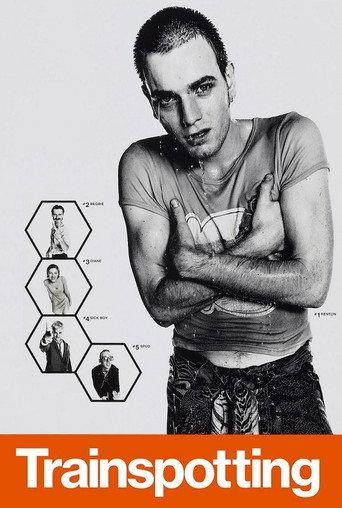
Trainspotting
1996
The sourced concerns are substantially offset by delivered value.
What counts as a cash grab?
Commercial extraction prioritized over meaningful consumer or creative value. Profit, popularity, adaptations, sequels, remakes, high budgets, and normal marketing do not count by themselves.
Why?
Trainspotting (1996) is Danny Boyle’s critically acclaimed adaptation of Irvine Welsh’s novel, produced with recognized creative crew, award nominations, and a widely praised soundtrack and visual style. Contemporary reviews and later film-criticism essays treat it as an artistic, risky British film rather than a rushed commercial exploitation. I found no credible reporting that the original 1996 theatrical release used predatory monetization, deceptive release tactics, or low-effort reuse intended to extract value from fans.
- No contemporaneous reporting or trade coverage identifies predatory monetization or deceptive release practices.
- Film shows documented production craft, credited creative personnel, and award recognition.
- Adaptation involved a new screenplay and distinctive, commercially released soundtrack albums.
View full breakdownHide full breakdown
- Contemporary reviews and later essays emphasize artistic risk and stylistic innovation rather than brand exploitation.
Score factors
| Direction | Factor | Evidence | Impact |
|---|---|---|---|
| Against | Production craft and personnel | Trainspotting was directed by Danny Boyle with credited cinematography, editing, and design teams and it received awards and nominations, indicating substantial production effort and craft.[2][1] | -18 |
| Against | Artistic and stylistic risk | Contemporary reviews and later critical essays document the film’s provocative depiction of heroin use and bold visual techniques, framing it as an artistic risk rather than a formulaic product.[3][2] | -8 |
| Against | Commercial release and consumer products | Trainspotting had a wide commercial theatrical release, strong box office returns for a British film of the era, and official soundtrack releases, consistent with standard consumer-facing distribution rather than exploitative microtransactions.[5] | -8 |
| For | No credible exploitative monetization found | Search of contemporary coverage, studio summaries, and later retrospectives revealed no credible allegations that the 1996 release employed predatory monetization, deceptive release windows, or intentionally rushed distribution to extract consumer value.[4][1][3] | +8 |
| For | Not franchise or brand exploitation | At release Trainspotting was a single-film adaptation of a recent novel rather than part of a preexisting franchise exploited for brand recognition and there is no documentation indicating deliberate brand-leveraging to squeeze consumers.[4] | +6 |
Confidence: High · Evidence is drawn from reputable contemporaneous reviews, major film archives and studio materials that document production, reception, commercial distribution, and lack of reporting about predatory monetization; absence of allegations is supported but cannot prove private motives. · Researched 2026-08-14
Sources reviewed
- [1]www.bfi.org.uk
- [2]www.criterion.com
- [3]www.washingtonpost.com
- [4]www.miramax.com
- [5]www.boxofficemojo.com
- [6]en.wikipedia.org
- [7]www.imdb.com
- [8]www.the-numbers.com
- [9]en.wikipedia.org
- [10]musicaltheatrereview.com
View 16 more sourcesShow fewer sources
- [11]www.imdb.com
- [12]en.wikipedia.org
- [13]www.encyclopedia.com
- [14]www.worldradiohistory.com
- [15]en.wikipedia.org
- [16]www.filmaffinity.com
- [17]en.wikipedia.org
- [18]www.filmweb.pl
- [19]en.wikipedia.org
- [20]public.websites.umich.edu
- [21]issues.felixonline.co.uk
- [22]commons.keene.edu
- [23]dailyiowan.lib.uiowa.edu
- [24]www.wislgbthistory.com
- [25]www.reddit.com
- [26]www.reddit.com
What does the community think?
The AI sees low cash-grab risk. What's your read?
Loading community verdict…