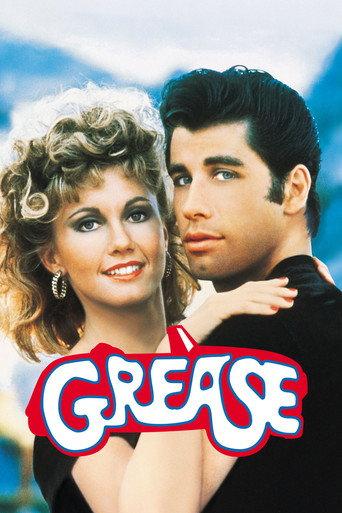
Grease
1978
The sourced concerns are substantially offset by delivered value.
What counts as a cash grab?
Commercial extraction prioritized over meaningful consumer or creative value. Profit, popularity, adaptations, sequels, remakes, high budgets, and normal marketing do not count by themselves.
Why?
Grease (1978) shows clear commercial amplification, including coordinated cross-promotion and blockbuster soundtrack and ancillary sales, but contemporary production records and reviews document substantial new filmmaking work, rewritten material from the stage show, full musical numbers and careful direction. I found evidence of heavy marketing and large soundtrack/novelization distribution, and no credible sources describing predatory pricing, deceptive release practices, or a rushed incomplete film, therefore extraction signals exist but are balanced by strong production and consumer-facing content.
- Contemporary trade reporting documents coordinated multi-company marketing, novelization shipments and retail promotion tied to Grease. (Cash Box, 1978).
- The Grease soundtrack and ancillary home-video/DVD revenues were massive, showing strong monetization through music and tie-ins. (Wikipedia, The Numbers).
- Production sources record significant adaptation work, rewrites of Sandy, and original film-only musical elements, indicating substantive new content. (AFI, Wikipedia).
View full breakdownHide full breakdown
- Director and production notes report careful planning, intact musical numbers and choreography, with no contemporary reporting of a rushed or deceptive theatrical release. (AFI, Filmsite, Box Office Mojo).
Score factors
| Direction | Factor | Evidence | Impact |
|---|---|---|---|
| Against | Substantive adaptation and new content | Multiple production sources report the film rewrote elements of the stage musical, recast and recharacterized Sandy, replaced or added songs, and created film-specific musical numbers, indicating substantial new creative content.[1] | -16 |
| For | Coordinated cross-promotion and merchandising | Trade reporting from May 1978 documents a coordinated promotional campaign among RSO Records, Pocket Books, the Robert Stigwood Organization and Paramount, including novelization shipments, retail displays and joint marketing to maximize consumer awareness.[2] | +15 |
| Against | Directorial planning and musical production craft | Director and production notes describe careful planning, intact musical sequences and significant choreography and sound production, consistent with considerable production craft rather than low-effort reuse.[1][3] | -14 |
| For | Soundtrack and ancillary revenue success | The Grease soundtrack and related recordings were among the year's best-selling albums and continued to generate large sales and home-video revenue, showing significant monetization beyond theatrical box office.[4] | +8 |
| For | Release strategy leveraging star popularity | Film-industry reporting and archival notes indicate Paramount altered Grease's release strategy after John Travolta's Saturday Night Fever success to broaden rollout and box-office potential.[1] | +6 |
Confidence: High · Multiple primary trade reports, archival AFI catalog notes and contemporary box-office and soundtrack data were available and consistent, although I found no contemporaneous evidence of predatory pricing or deceptive release practices. · Researched 2026-09-29
Sources reviewed
- [1]catalog.afi.com
- [2]www.worldradiohistory.com
- [3]www.filmsite.org
- [4]www.the-numbers.com
- [5]www.boxofficemojo.com
- [6]en.wikipedia.org
- [7]www.the-numbers.com
- [8]en.wikipedia.org
- [9]www.imdb.com
- [10]en.wikipedia.org
View 11 more sourcesShow fewer sources
What does the community think?
The AI sees low cash-grab risk. What's your read?
Loading community verdict…