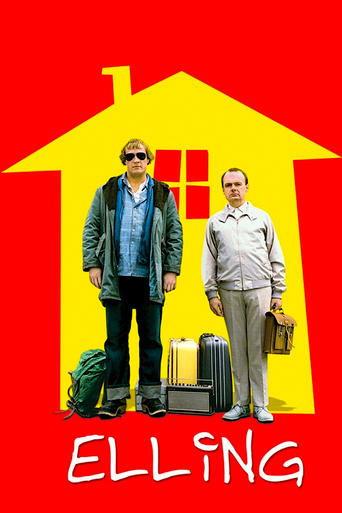
Elling
2001
The sourced concerns are substantially offset by delivered value.
What counts as a cash grab?
Commercial extraction prioritized over meaningful consumer or creative value. Profit, popularity, adaptations, sequels, remakes, high budgets, and normal marketing do not count by themselves.
Why?
Elling (2001) is a Norwegian feature directed by Petter Næss, adapted from Ingvar Ambjørnsen’s novel, that received wide festival play, strong critical reviews, substantial domestic box office in Norway, and an Academy Award nomination for Best Foreign Language Film. Sources show festival awards, critical praise for direction and performances, and reported ticket sales and revenue, with no contemporaneous reporting of predatory monetization, rushed release, or deceptive pricing practices that would indicate commercial extraction above creative value.
- Contemporary reviews and festival coverage describe Elling as warmly received and artistically praised.
- Film secured significant domestic box office and ticket sales in Norway, indicating popular reception rather than exploitative tactics.
- The film was Norway’s Oscar nominee and won multiple festival prizes, pointing to recognized artistic value.
View full breakdownHide full breakdown
- I found no sources documenting predatory monetization, deceptive release practices, or low-effort reuse.
Score factors
| Direction | Factor | Evidence | Impact |
|---|---|---|---|
| Against | Critical acclaim and awards | Elling earned festival awards and wide critical praise, including an Academy Award nomination for Best Foreign Language Film (2002).[2][1] | -18 |
| Against | Adaptation from respected novel | The film is an adaptation of Ingvar Ambjørnsen’s novel Brødre i blodet, with credited screenplay adaptation and theatrical origins noted in multiple sources.[1][4] | -14 |
| Against | Domestic box office and ticket sales | Reports state Elling sold 776,184 tickets and took NKR43 million at the Norwegian box office, indicating substantial commercial success without evidence of predatory pricing.[3] | -12 |
| For | No reporting of exploitative monetization | Searches of production and contemporaneous reporting revealed no credible evidence of predatory monetization, deceptive release, or deliberate low-effort reuse to exploit the brand.[3][2] | +10 |
| Against | Festival and trade reviews | Contemporary trade and festival reviews described the film as modest, warm, and well-crafted rather than rushed or cheaply produced.[5][6] | -6 |
Confidence: High · Multiple contemporaneous reputable sources document awards, reviews, box office figures, and adaptation credits; there are no credible sources indicating extraction practices but archival gaps on behind-the-scenes financing remain minimal. · Researched 2026-10-29
Sources reviewed
- [1]en.wikipedia.org
- [2]www.imdb.com
- [3]cineuropa.org
- [4]www.rogerebert.com
- [5]www.screendaily.com
- [6]www.theguardian.com
- [7]fest.afi.com
- [8]www.inter-film.org
- [9]www.sansebastianfestival.com
- [10]www.deseret.com
View 16 more sourcesShow fewer sources
- [11]www.rottentomatoes.com
- [12]www.latimes.com
- [13]cineuropa.org
- [14]www.nordische-filmtage.de
- [15]en.wikipedia.org
- [16]scancan.net
- [17]cdn.marscloud.dev
- [18]mami.mumbaifilmfestival.com
- [19]archive.habima.co.il
- [20]en.wikipedia.org
- [21]en.wikipedia.org
- [22]www.leedsfilm.com
- [23]de.wikipedia.org
- [24]en.wikipedia.org
- [25]apnews.com
- [26]www.aftenposten.no
What does the community think?
The AI sees low cash-grab risk. What's your read?
Loading community verdict…