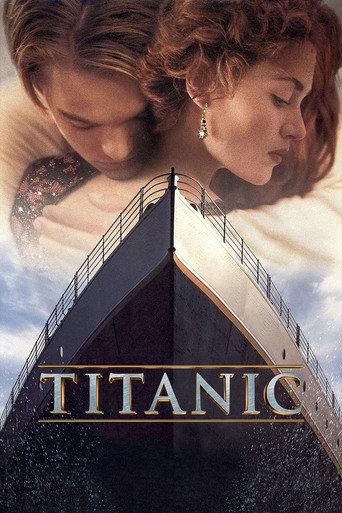
Titanic
1997
The sourced concerns are substantially offset by delivered value.
What counts as a cash grab?
Commercial extraction prioritized over meaningful consumer or creative value. Profit, popularity, adaptations, sequels, remakes, high budgets, and normal marketing do not count by themselves.
Why?
Titanic (1997) shows strong, source-backed evidence of substantial creative and technical investment rather than exploitation. Contemporary reporting and production histories record an expensive, delayed shoot with a roughly $200 million final budget, construction of near-full-scale ship sets, director James Cameron making deep-sea dives for research, and major visual effects work. The film won 11 Academy Awards and became the first to pass $1 billion worldwide, and I found no credible reporting of predatory monetization, deceptive release practices, or low-effort reuse indicative of a commercial cash grab.
- Production records and reporting document an extremely large budget and costly physical production including a near-full-scale replica.
- Director James Cameron undertook deep-sea research and complex effects work, showing technical and artistic risk.
- The film received major critical recognition and 11 Academy Awards, indicating perceived substantive value.
View full breakdownHide full breakdown
- Contemporary coverage and later histories describe heavy marketing and budget overruns but do not provide evidence of predatory monetization or deceptive release practices.
Score factors
| Direction | Factor | Evidence | Impact |
|---|---|---|---|
| Against | Full-scale replica and water tank | Production constructed a near-full-scale Titanic replica and large water tanks for realistic sinking sequences, showing substantial production effort.[2] | -18 |
| Against | Very large budget and overruns | The film was originally budgeted much lower but finished at about $200 million, making it one of the most expensive productions of its time.[3] | -17 |
| Against | Research and original footage | James Cameron conducted deep-sea dives to the real wreck and integrated that research into the film, indicating substantive new material and effort.[1][4] | -15 |
| For | No credible evidence of exploitative monetization | Contemporary trade reporting and later histories document heavy marketing and budget troubles but do not present evidence of predatory monetization, deceptive pricing, or low-effort reuse consistent with a cash grab.[2][5][1] | +10 |
| Against | Technical ambition and awards | The film involved significant technical risk and craftsmanship, and it won 11 Academy Awards including technical categories, reflecting recognized artistic and technical achievement.[1][6] | -8 |
Confidence: High · Multiple reputable contemporaneous and retrospective sources document the film's costly production, technical effort, awards, and box office, and none provide credible evidence of predatory monetization or deceptive release practices. · Researched 2026-08-01
Sources reviewed
- [1]www.oscars.org
- [2]www.washingtonpost.com
- [3]www.latimes.com
- [4]www.tcm.com
- [5]goldenglobes.com
- [6]www.oscars.org
- [7]www.history.com
- [8]en.wikipedia.org
- [9]awardsdatabase.oscars.org
- [10]en.wikipedia.org
View 9 more sourcesShow fewer sources
- [11]www.usni.org
- [12]www.oscars.org
- [13]www.the-numbers.com
- [14]pt.wikipedia.org
- [15]en.wikipedia.org
- [16]en.wikipedia.org
- [17]ame.nd.edu
- [18]storage.googleapis.com
- [19]escholarship.org
What does the community think?
The AI sees low cash-grab risk. What's your read?
Loading community verdict…