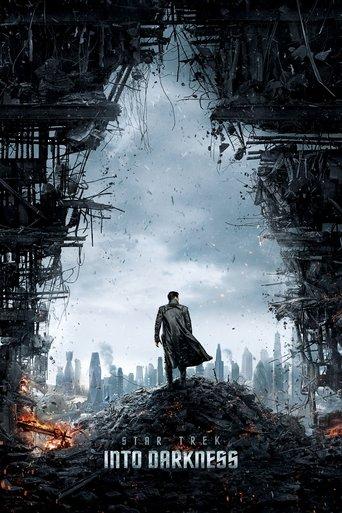
Star Trek Into Darkness
2013
The sourced concerns are substantially offset by delivered value.
What counts as a cash grab?
Commercial extraction prioritized over meaningful consumer or creative value. Profit, popularity, adaptations, sequels, remakes, high budgets, and normal marketing do not count by themselves.
Why?
Star Trek Into Darkness (2013) attracted sustained criticism for reusing plot beats and a principal antagonist arc long associated with Star Trek II The Wrath of Khan, with several critics and fan commentators calling the sequel derivative. At the same time the film was a high budget studio tentpole, produced with extensive visual effects work, ILM participation, and standard global marketing and home-video rollouts. I found no credible reporting of predatory monetization, deceptive release tactics, or explicit price gouging tied to this title in the sources consulted.
- Major critics and outlets noted strong plot and thematic overlap with Star Trek II: The Wrath of Khan, framing the film as derivative.
- The production was a high budget ($190M) studio tentpole with extensive VFX vendors and professional craft, cited in industry coverage.
- Paramount executed a broad commercial rollout including international marketing and licensed tie-ins, showing clear commercial intent.
View full breakdownHide full breakdown
- I found no reliable reporting of predatory monetization, deceptive pricing, or rushed-release practices for this film.
Score factors
| Direction | Factor | Evidence | Impact |
|---|---|---|---|
| For | Derivative reuse of Wrath of Khan | Contemporary critics and commentators repeatedly identified strong plot parallels between Into Darkness and Star Trek II: The Wrath of Khan, describing the sequel as derivative.[2][3][1] | +20 |
| Against | High budget and substantial production craft | The film was produced as a $190 million tentpole and received industry coverage highlighting significant visual effects work and studio-level production resources.[6][5][4] | -18 |
| For | Broad commercial rollout with tie-ins | Paramount mounted an international marketing push and licensed tie-ins including a videogame tie-in that was reported to underperform, indicating strong commercial extraction motive but not predatory practice.[8][7] | +7 |
| Against | Standard consumer release and editions | Theatrical release included 3D and wide international distribution and the title received standard home-video releases and editions without reporting of deceptive or predatory packaging or pricing.[1][9] | -5 |
Confidence: Medium · Sources include major contemporary reviews and industry reporting that clearly document derivative criticism and production scale, however there is limited direct reporting on internal studio monetization strategy or consumer complaints beyond standard tie-in coverage, leaving some gaps. · Researched 2026-08-22
Sources reviewed
- [1]en.wikipedia.org
- [2]www.theguardian.com
- [3]www.theguardian.com
- [4]www.pushing-pixels.org
- [5]www.cgw.com
- [6]www.boxofficemojo.com
- [7]www.latimes.com
- [8]www.forbes.com
- [9]www.startrek.com
- [10]www.reddit.com
View 29 more sourcesShow fewer sources
- [11]www.reddit.com
- [12]www.inventome.com
- [13]memory-alpha.fandom.com
- [14]www.reddit.com
- [15]brianjhadsell.blogspot.com
- [16]www.reddit.com
- [17]es.scribd.com
- [18]cinephilia189.rssing.com
- [19]es.scribd.com
- [20]ghostof82.wordpress.com
- [21]memory-alpha.fandom.com
- [22]news.ycombinator.com
- [23]memory-alpha.fandom.com
- [24]www.theguardian.com
- [25]www.theguardian.com
- [26]www.theguardian.com
- [27]m.imdb.com
- [28]en.wikipedia.org
- [29]www.the-numbers.com
- [30]en.wikipedia.org
- [31]en.wikipedia.org
- [32]saturation.io
- [33]de.wikipedia.org
- [34]www.mpaa.org
- [35]en.wikipedia.org
- [36]images.template.net
- [37]www.nationalreview.com
- [38]filmla.com
- [39]www.reddit.com
What does the community think?
The AI sees low cash-grab risk. What's your read?
Loading community verdict…