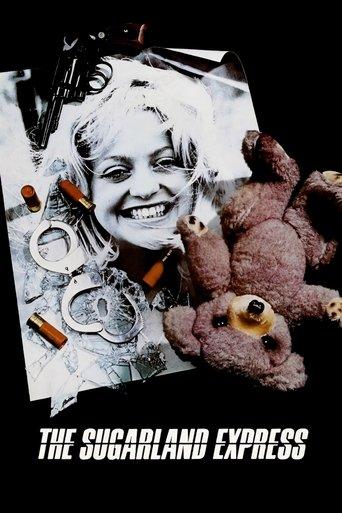
The Sugarland Express
1974
The sourced concerns are substantially offset by delivered value.
What counts as a cash grab?
Commercial extraction prioritized over meaningful consumer or creative value. Profit, popularity, adaptations, sequels, remakes, high budgets, and normal marketing do not count by themselves.
Why?
The Sugarland Express (1974) shows no credible evidence of being a commercial extraction play. Contemporary coverage and later film-history sources treat it as Steven Spielberg's theatrical debut with studio backing, original screenplay and location production work, and performance- and craft-focused reviews. I found no reporting of predatory monetization, franchise-driven merchandising, rushed deceptive release practices, or deliberate reuse of material to skim value. Instead sources document festival premieres, critical attention, and later restorations that point to artistic and production investment rather than a cash grab.
- No contemporaneous or retrospective reporting found alleging exploitative monetization tied to the film.
- The picture is Spielberg's theatrical feature debut produced by Richard Zanuck and David Brown, indicating organized studio investment.
- Contemporary reviews from major outlets emphasize direction, performances, and cinematography, implying substantial creative effort.
View full breakdownHide full breakdown
- Festival premiere and later 4K/restrospective screenings show ongoing preservation and regard rather than exploitation.
Score factors
| Direction | Factor | Evidence | Impact |
|---|---|---|---|
| Against | Notable debut with studio producers | The film is documented as Steven Spielberg's theatrical feature debut and was produced by established producers Richard Zanuck and David Brown, reflecting substantive studio backing.[1][2] | -18 |
| Against | Festival premiere and later restorations | The film premiered at New Directors/New Films and has been the subject of retrospective screenings and a 4K restoration screening, indicating preservation and ongoing artistic interest.[1] | -12 |
| Against | Critical attention to direction and craft | Major contemporary reviews in outlets such as Time, The New Yorker, and Roger Ebert emphasize Spielberg's direction, Goldie Hawn's performance, and the film's cinematography rather than commercial opportunism.[3][5][4] | -8 |
| Against | Commercial performance not indicative of extraction | Sources describe the film as a commercial disappointment on release, which does not align with evidence of a successful exploitation-oriented cash grab.[1] | -6 |
| For | No reported exploitative monetization | Searches of contemporary and later reporting turned up no allegations of predatory monetization, merchandise-driven exploitation, or deceptive pricing around the film's release.[1][2][3] | +5 |
Confidence: High · Assessment is based on multiple reputable contemporary reviews and film-history sources; however studio internal financial records and exhaustive merchandising archives were not located in this search. · Researched 2026-08-06
Sources reviewed
- [1]en.wikipedia.org
- [2]www.tcm.com
- [3]www.rogerebert.com
- [4]www.newyorker.com
- [5]content.time.com
- [6]www.rottentomatoes.com
- [7]www.rogerebert.com
- [8]milled.com
- [9]www.rogerebert.com
- [10]de.wikipedia.org
View 12 more sourcesShow fewer sources
What does the community think?
The AI sees low cash-grab risk. What's your read?
Loading community verdict…