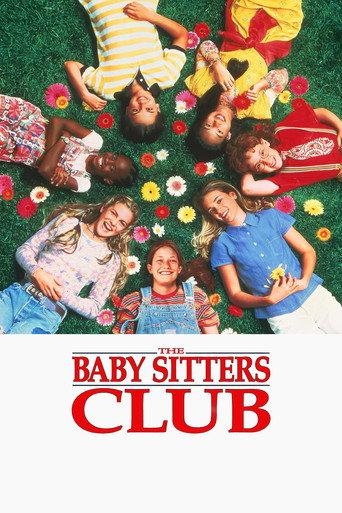
The Baby-Sitters Club
1995
The sourced concerns are substantially offset by delivered value.
What counts as a cash grab?
Commercial extraction prioritized over meaningful consumer or creative value. Profit, popularity, adaptations, sequels, remakes, high budgets, and normal marketing do not count by themselves.
Why?
The Baby-Sitters Club (1995) is a feature film adaptation of the bestselling Scholastic book series released August 1995, produced on a modest reported budget of about $6.5 million and grossing roughly $9.6 million domestically. Scholastic took an active role in the production to preserve the books tone, contemporary reviews noted competent production values and family-friendly intent, and I found trademark and catalog evidence of ongoing merchandising for the franchise but no contemporaneous reporting of predatory monetization, deceptive release tactics, or explicit rushed exploitation.
- No contemporaneous reporting found of predatory monetization, deceptive pricing, or rushed release practices.
- Scholastic actively supervised the film to preserve the series tone, indicating brand stewardship rather than purely extractive licensing.
- The film was modestly budgeted and earned modest box office, which shows commercial intent but not clear overcharging or deceptive monetization.
View full breakdownHide full breakdown
- Contemporary reviews praised cinematography and family-friendly craft, supporting substantive production effort.
Score factors
| Direction | Factor | Evidence | Impact |
|---|---|---|---|
| Against | Contemporary production and critical praise | Major reviews praised the film's cinematography and family appeal, noting visible production craft rather than obvious low-effort reuse.[1] | -16 |
| Against | Publisher involvement and brand stewardship | Scholastic took an active role in the movie to ensure it matched the books tone according to contemporary reporting.[2] | -9 |
| For | Ongoing trademark and merchandising presence | The Baby-Sitters Club is a registered Scholastic trademark and the franchise has continued publishing and merchandising activity, indicating brand monetization beyond the film.[3][4] | +5 |
Confidence: Medium · Analysis is based on contemporary mainstream reporting, box office databases, publisher statements, and reviews but lacks internal studio financials or merchandising revenue breakdowns that would more strongly confirm or refute exploitative intent. · Researched 2026-08-04
Sources reviewed
- [1]www.latimes.com
- [2]www.latimes.com
- [3]trademarks.justia.com
- [4]d5i0fhmkm8zzl.cloudfront.net
- [5]en.wikipedia.org
- [6]www.metacritic.com
- [7]www.boxofficemojo.com
- [8]www.imdb.com
- [9]catalog.afi.com
- [10]www.the-numbers.com
View 15 more sourcesShow fewer sources
- [11]www.latimes.com
- [12]static.rottentomatoes.com
- [13]www.sonypictures.com
- [14]www.scholastic.com
- [15]unglueit-files.s3.amazonaws.com
- [16]en.wikipedia.org
- [17]en.wikipedia.org
- [18]en.wikipedia.org
- [19]en.wikipedia.org
- [20]www.scholastic.com
- [21]d5i0fhmkm8zzl.cloudfront.net
- [22]clubs.scholastic.com
- [23]en.wikipedia.org
- [24]www.reddit.com
- [25]schol.ca
What does the community think?
The AI sees low cash-grab risk. What's your read?
Loading community verdict…