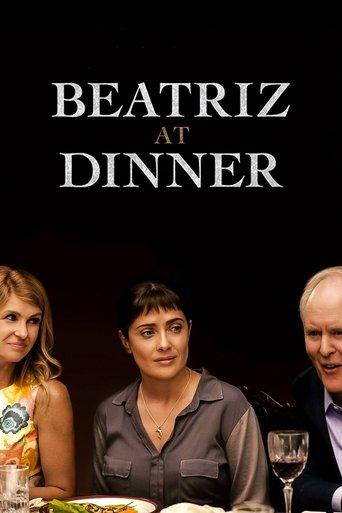
Beatriz at Dinner
2017
The sourced concerns are substantially offset by delivered value.
What counts as a cash grab?
Commercial extraction prioritized over meaningful consumer or creative value. Profit, popularity, adaptations, sequels, remakes, high budgets, and normal marketing do not count by themselves.
Why?
Beatriz at Dinner is an independent 2017 Sundance-premiered chamber drama written by Mike White and directed by Miguel Arteta, acquired for U.S. distribution after its festival debut and widely reviewed as a political, performance-driven satire featuring Salma Hayek and John Lithgow. Reporting and reviews describe a small, single-location story and festival-to-indie acquisition path, with no evidence in trade coverage or reviews of predatory monetization, deceptive release tactics, or recycled low-effort content intended primarily to extract consumer money.
- Premiered at Sundance and was acquired by indie distributors, indicating standard festival acquisition rather than a preplanned commercial exploitation play.
- Extensive critical reviews praise performances and writing, supporting substantive creative content rather than low-effort reuse.
- Trade reporting documents standard indie distribution deals, not aggressive monetization schemes or premium add-ons.
View full breakdownHide full breakdown
- No credible sources found reporting deceptive pricing, rushed release to exploit a franchise, or pay-to-win monetization tied to this title.
Score factors
| Direction | Factor | Evidence | Impact |
|---|---|---|---|
| For | No predatory monetization reported | Trade and press coverage do not report premium pricing schemes, aggressive merchandising, or transactional practices tied to extracting extra consumer revenue for this title.[4][1] | +19 |
| Against | Critical reviews | Multiple major outlets reviewed the film positively for its script, direction, and lead performances, indicating substantive artistic content.[6][5] | -17 |
| Against | Festival acquisition path | The film premiered in Sundance's Premieres section and was acquired by Roadside Attractions and FilmNation for North American rights, consistent with an indie festival acquisition model.[3][1] | -14 |
| Against | Small, focused production | Contemporary coverage describes the film as a tightly staged dinner-party chamber piece with emphasis on dialogue and performance rather than recycled assets.[2][7] | -14 |
| For | No reuse or franchise exploitation | There is no evidence in reporting that the film reuses existing franchise material or was produced to exploit established IP.[3][2] | +9 |
Confidence: High · Evidence comes from primary festival listings, acquisition reporting, and multiple major critical reviews; absence of any trade reporting on exploitative monetization or deceptive release practices supports a high confidence conclusion within available sources. · Researched 2026-10-04
Sources reviewed
- [1]www.thewrap.com
- [2]www.vanityfair.com
- [3]www.sundance.org
- [4]www.forbes.com
- [5]www.theguardian.com
- [6]www.latimes.com
- [7]www.rogerebert.com
- [8]www.rottentomatoes.com
- [9]www.timeout.com
- [10]catalog.afi.com
View 9 more sourcesShow fewer sources
What does the community think?
The AI sees low cash-grab risk. What's your read?
Loading community verdict…