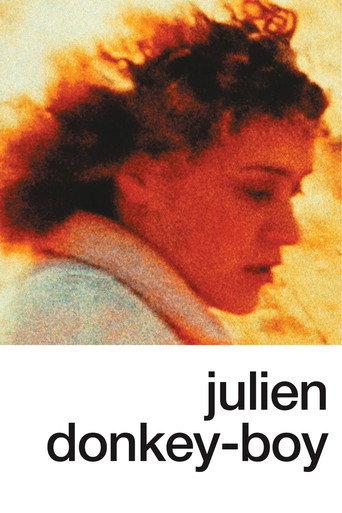
Julien Donkey-Boy
1999
The sourced concerns are substantially offset by delivered value.
What counts as a cash grab?
Commercial extraction prioritized over meaningful consumer or creative value. Profit, popularity, adaptations, sequels, remakes, high budgets, and normal marketing do not count by themselves.
Why?
Julien Donkey-Boy is a 1999 independent film written and directed by Harmony Korine, often cited as the first American film associated with the Dogme 95 movement. Contemporary reporting and reviews describe it as a low budget, experimental art film shot with MiniDV aesthetics and unconventional methods, not a studio franchise or tie-in. I found no credible sources documenting predatory monetization, rushed deceptive release tactics, or franchise-style brand exploitation, and critics emphasized artistic risk and original craft instead.
- Contemporary reviews and major outlets treat the film as an independent experimental Dogme 95 work rather than a commercial franchise product.
- Production histories and reporting describe low-budget, purposeful choices such as MiniDV cinematography and Dogme constraints, indicating artistic risk.
- No credible reporting found of predatory monetization, merchandise, or premium pricing tied to the title.
View full breakdownHide full breakdown
- Release and festival coverage show standard indie festival and art-house release patterns, not rushed or deceptive distribution.
Score factors
| Direction | Factor | Evidence | Impact |
|---|---|---|---|
| For | No evidence of exploitative monetization | Contemporary reviews and production coverage do not report predatory monetization, wide tie-in merchandising, or pay-to-view tactics for Julien Donkey-Boy.[2][1] | +15 |
| Against | Notable production choices and craft | Reporting and reference entries note a reported $1.5 million budget, international post production, the Dogme association, and involvement of notable collaborators, indicating deliberate production choices rather than trivial reuse.[3][4] | -14 |
| For | Release followed indie festival and art-house patterns | Coverage from major outlets documents festival showings and an art-house rollout, with no contemporaneous allegations of deceptive or rushed release strategies.[5][1] | +8 |
Confidence: High · Contemporary reviews and production histories from major outlets consistently describe the film as an independent, experimental Dogme-influenced project and I found no credible sources indicating predatory monetization or rushed deceptive release, though studio ancillary financial details are not pu · Researched 2026-09-11
Sources reviewed
- [1]www.latimes.com
- [2]www.rogerebert.com
- [3]en.wikipedia.org
- [4]old.bfi.org.uk
- [5]www.washingtonpost.com
- [6]www.theguardian.com
- [7]www.rottentomatoes.com
- [8]www.splicedwire.com
- [9]www.rogerebert.com
- [10]www.theguardian.com
View 10 more sourcesShow fewer sources
- [11]www.latimes.com
- [12]www.imdb.com
- [13]www.reddit.com
- [14]madmuseum.org
- [15]en.wikipedia.org
- [16]www.reddit.com
- [17]en.wikipedia.org
- [18]www.reddit.com
- [19]en.wikipedia.org
- [20]en.wikipedia.org
What does the community think?
The AI sees low cash-grab risk. What's your read?
Loading community verdict…