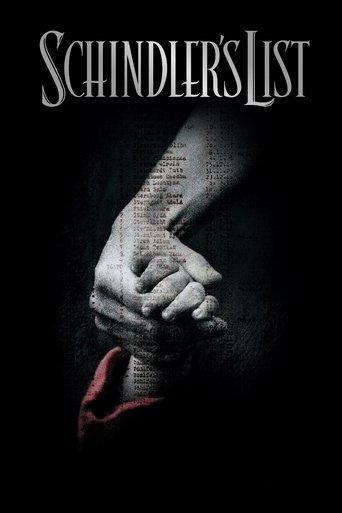
Schindler's List
1993
Insufficient evidence
We did not find enough credible, independent evidence to publish a numeric cash-grab score. Unrated is more honest than a guess.
What counts as a cash grab?
Commercial extraction prioritized over meaningful consumer or creative value. Profit, popularity, adaptations, sequels, remakes, high budgets, and normal marketing do not count by themselves.
Why?
Schindler's List (1993) shows no credible evidence of being a commercial cash grab. Major contemporary coverage and film records emphasize serious artistic intent, on-location black-and-white production, and extensive critical recognition including seven Academy Awards. I found no reliable reporting of predatory monetization, exploitative merchandising, rushed or deceptive release tactics, or low-effort reuse. Available sources document substantial new cinematic craft, explicit technical choices, and awards for cinematography, score, screenplay, and editing that weigh strongly against a cash-grab characterization.
- No reliable reporting found alleging predatory monetization or exploitative merchandising for Schindler's List.
- The film received widespread critical acclaim and won seven Academy Awards, indicating high production craft and investment.
- Contemporary reviews and production notes document artistic and technical risk, including black-and-white on-location shooting and Janusz Kamiński's cinematography.
View full breakdownHide full breakdown
Score factors
| Direction | Factor | Evidence | Impact |
|---|---|---|---|
| Against | High production craftsmanship and recognition | Schindler's List won seven Academy Awards including Best Picture, Best Director, Best Cinematography and Best Original Score, evidencing substantial investment in craft.[3][1] | -20 |
| Against | Artistic and technical risk taken | Critics and production histories note the film's black-and-white cinematography, on-location shooting in Kraków, and difficult subject matter as deliberate artistic and technical risks.[2][1] | -9 |
| Against | Substantive adaptation and original filmmaking | The film is an adaptation of Thomas Keneally's book but contains substantial original cinematic interpretation and scenes praised by reviewers as masterpieces of direction and design.[2][1] | -15 |
Confidence: Low · No source-backed commercial-extraction signal was found. · Researched 2026-08-01
Sources reviewed
- [1]en.wikipedia.org
- [2]www.rogerebert.com
- [3]www.oscars.org
- [4]www.rogerebert.com
- [5]www.rogerebert.com
- [6]www.rogerebert.com
- [7]de.wikipedia.org
- [8]www.imdb.com
- [9]www.imdb.com
- [10]editorial.rottentomatoes.com
View 14 more sourcesShow fewer sources
- [11]en.wikipedia.org
- [12]www.rogerebert.com
- [13]en.wikipedia.org
- [14]en.wikipedia.org
- [15]encyclopedia.historiography-project.com
- [16]www.films101.com
- [17]en.wikipedia.org
- [18]drjoe.ca
- [19]digitalcollections.oscars.org
- [20]digitalcollections.oscars.org
- [21]filmeducation.org
- [22]www.reddit.com
- [23]www.filmcomment.com
- [24]www.reddit.com