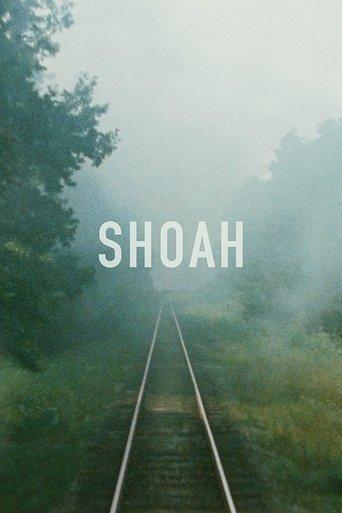
Shoah
1985
The sourced concerns are substantially offset by delivered value.
What counts as a cash grab?
Commercial extraction prioritized over meaningful consumer or creative value. Profit, popularity, adaptations, sequels, remakes, high budgets, and normal marketing do not count by themselves.
Why?
Shoah (1985) was the result of roughly eleven years of fieldwork and editing by Claude Lanzmann, distilled from approximately 350 hours of interviews and location footage into a nine and a half hour documentary that deliberately uses no archival film. Major institutional acquisitions of Lanzmann’s outtakes and transcripts for research purposes and scholarly commentary emphasize its archival and testimonial aims. I found no credible reporting that Shoah was released or marketed with predatory monetization, deceptive pricing, rushed release tactics, or other clear signals of commercial extraction.
- Extensive primary production work, about 350 hours of footage gathered over roughly eleven years, yielding a 9.5 hour film.
- Lanzmann refused archival footage and prioritized original interviews and location imagery, showing clear artistic and technical risk.
- Major cultural institutions acquired the outtakes and transcripts for research, indicating archival and educational intent rather than pure commercial exploitation.
View full breakdownHide full breakdown
- Searches of trade and critical coverage turned up no evidence of predatory monetization, deceptive release practices, or franchise-style brand exploitation.
Score factors
| Direction | Factor | Evidence | Impact |
|---|---|---|---|
| Against | Long production, large outtake archive | Shoah was produced across about eleven years and distilled from roughly 350 hours of recorded material into the nine and a half hour film.[1] | -18 |
| Against | Substantial original testimony, no archival footage | Lanzmann assembled the film from interviews with survivors, bystanders, and perpetrators and intentionally excluded archival footage, emphasizing fresh testimony.[2] | -18 |
| Against | Museum acquisition of outtakes and transcripts | The United States Holocaust Memorial Museum acquired Lanzmann’s outtakes and maintains a Shoah collection with transcripts and streaming access for research, indicating institutional and educational use.[3][1] | -11 |
| Against | Unconventional form and artistic risk | Shoah’s nine and a half hour runtime, refusal of archival images, and focus on long-form interviews constituted significant artistic and technical risk uncommon in commercially driven releases.[6][5] | -8 |
| Against | Limited theatrical run and specialist distribution | Contemporary and subsequent distribution was limited, with the film’s length and form preventing broad commercial exhibition and mainstream box office success.[4][7] | -6 |
| For | No credible reports of exploitative monetization | I found no credible sources documenting predatory monetization, deceptive pricing, or franchise-style exploitation of the film that would indicate a cash grab.[4][1] | +3 |
Confidence: High · Multiple reputable sources including the US Holocaust Memorial Museum, academic publishers, and contemporary coverage document the film’s lengthy production, archival disposition, and limited distribution, while direct evidence of predatory monetization or deceptive release practices was not found i · Researched 2026-09-04
Sources reviewed
- [1]www.ushmm.org
- [2]www.bloomsbury.com
- [3]www.ushmm.org
- [4]www.the-numbers.com
- [5]www.tabletmag.com
- [6]newcriterion.com
- [7]www.boxofficemojo.com
- [8]en.wikipedia.org
- [9]www.govinfo.gov
- [10]www.imdb.com
View 32 more sourcesShow fewer sources
- [11]www.occrp.org
- [12]www.historiography-project.com
- [13]lareviewofbooks.org
- [14]www.jta.org
- [15]lanzmannfilm.com
- [16]www.versobooks.com
- [17]www.ushmm.org
- [18]ebrary.net
- [19]de.wikipedia.org
- [20]fr.wikipedia.org
- [21]en.wikipedia.org
- [22]www.transcript-publishing.com
- [23]rijha.org
- [24]en.wikipedia.org
- [25]scripties.uba.uva.nl
- [26]en.wikipedia.org
- [27]www.reddit.com
- [28]www.reddit.com
- [29]www.reddit.com
- [30]www.reddit.com
- [31]www.imdb.com
- [32]www.bloomsbury.com
- [33]www.jewishamericanheritagemonth.com
- [34]dokumen.pub
- [35]www.bloomsbury.com
- [36]bcu-lausanne.cantookstation.eu
- [37]www.harvard.com
- [38]wrap.warwick.ac.uk
- [39]books.apple.com
- [40]play.google.com
- [41]books.apple.com
- [42]zh.wikipedia.org
What does the community think?
The AI sees low cash-grab risk. What's your read?
Loading community verdict…