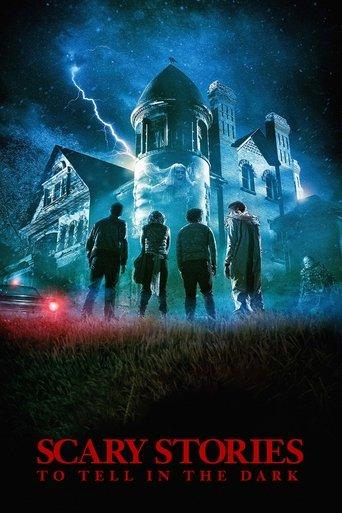
Scary Stories to Tell in the Dark
2019
The sourced concerns are substantially offset by delivered value.
What counts as a cash grab?
Commercial extraction prioritized over meaningful consumer or creative value. Profit, popularity, adaptations, sequels, remakes, high budgets, and normal marketing do not count by themselves.
Why?
Scary Stories to Tell in the Dark (2019) shows substantial credited creative investment rather than clear commercial extraction. The film was produced and co-written by Guillermo del Toro, directed by André Øvredal, and built noticeable practical creature effects and production design while adapting Alvin Schwartz’s anthology into a through-line narrative. I found no credible evidence of predatory monetization, deceptive release practices, or explicit price/value mismatch in production or distribution reporting, though some critics called the film commercially cautious and tonally familiar.
- Published production reporting and interviews document del Toro producing, practical prosthetics, and detailed production design.
- Multiple mainstream critics praised the film’s creature work and visual craft, noting faithful adaptation of book imagery.
- Box office and distributor reporting show a conventional theatrical release and typical budget financing, no special predatory monetization disclosed.
View full breakdownHide full breakdown
- Contemporary reviews called the film accessible and somewhat conventional, but that critical tone is not direct evidence of a cash grab.
Score factors
| Direction | Factor | Evidence | Impact |
|---|---|---|---|
| Against | Critical reviews highlight craft | Major critics praised production design and monster execution while sometimes calling the film tonally familiar, indicating craft rather than blatant low-effort reuse.[1][2] | -14 |
| Against | Conventional midrange budget and financing | Public box office and trade reporting list a production budget around $25-28 million and normal distributor financing and home release windows.[3] | -9 |
| Against | Practical effects and creature design | Interviews and reviews document a deliberate emphasis on prosthetics and creature work intended to emulate Stephen Gammell’s illustrations.[4][5] | -8 |
| For | PG-13 positioning and audience accessibility | Contemporary coverage and reviews note the film’s PG-13 tone and gateway-horror positioning, which critics described as commercially cautious but not exploitative.[6] | +5 |
Confidence: High · Multiple reputable production reports, interviews, box office records, and mainstream reviews specifically discuss the film’s financing, creature work, and release without revealing predatory monetization or deceptive practices. · Researched 2026-11-08
Sources reviewed
- [1]www.rogerebert.com
- [2]www.newyorker.com
- [3]www1.hkexnews.hk
- [4]www.syfy.com
- [5]www.comicsbeat.com
- [6]www.gamespot.com
- [7]www.the-numbers.com
- [8]www.nme.com
- [9]en.wikipedia.org
- [10]www.the-independent.com
View 4 more sourcesShow fewer sources
What does the community think?
The AI sees low cash-grab risk. What's your read?
Loading community verdict…