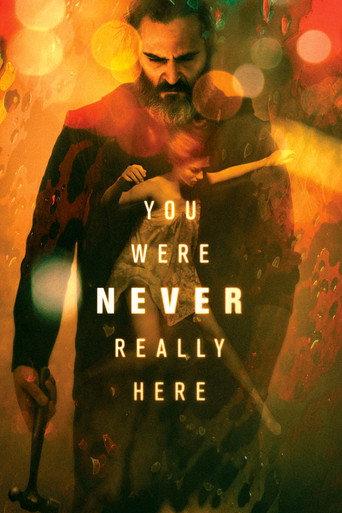
You Were Never Really Here
2017
The sourced concerns are substantially offset by delivered value.
What counts as a cash grab?
Commercial extraction prioritized over meaningful consumer or creative value. Profit, popularity, adaptations, sequels, remakes, high budgets, and normal marketing do not count by themselves.
Why?
You Were Never Really Here is a 2017 Lynne Ramsay film adapted from Jonathan Ames’s novella, premiered in competition at the 2017 Cannes Film Festival where it won Best Actor and Best Screenplay, and received widespread critical praise for direction, performance, score, and visual craft. Reporting and reviews emphasize auteur risk, sparse dialogue, and careful production choices rather than franchise expansion or predatory monetization, and there is no credible reporting that the film’s release or pricing involved exploitative commercial tactics.
- Festival awards and critical reviews emphasize artistic craft and risk.
- Adaptation of a novella by an established auteur, not a franchise product.
- Distribution was limited/art-house, with no evidence of predatory monetization or deceptive release.
View full breakdownHide full breakdown
- No reporting found indicating low-effort reuse, tie-in monetization, or price/value exploitation.
Score factors
| Direction | Factor | Evidence | Impact |
|---|---|---|---|
| Against | Festival awards and craft recognition | The film premiered in competition at the 2017 Cannes Film Festival and won Best Actor and a (shared) Best Screenplay award at Cannes, signaling artistic recognition and craft focus.[3][4] | -18 |
| For | No reported predatory monetization | Searches of contemporary reporting and reviews reveal no credible evidence of predatory monetization, excessive tie-ins, deceptive release practices, or price gouging tied to this title.[2][1] | +18 |
| Against | Single-source adaptation | The film is an adaptation of Jonathan Ames’s 2013 novella of the same name, not part of an established franchise or series.[1] | -12 |
| Against | Critical acclaim and auteur authorship | Major critics and outlets described the film as a distinctive, daring work by director Lynne Ramsay, highlighting visual poetry, Jonny Greenwood’s score, and Joaquin Phoenix’s performance.[2][5] | -9 |
| Against | Limited art-house distribution | U.S. release began as a limited opening in New York and Los Angeles before wider release, consistent with art-house distribution rather than mass-market franchise exploitation.[1] | -8 |
Confidence: High · Strong, contemporaneous festival reporting and multiple major critical reviews directly address production, authorship, and distribution, and searches found no credible sources alleging exploitative monetization or rushed deceptive release practices. · Researched 2026-10-08
Sources reviewed
- [1]en.wikipedia.org
- [2]www.theguardian.com
- [3]www.festival-cannes.com
- [4]www.festival-cannes.com
- [5]www.thewrap.com
- [6]www.festival-cannes.com
- [7]www.festival-cannes.com
- [8]en.wikipedia.org
- [9]www.theguardian.com
- [10]www.theguardian.com
View 10 more sourcesShow fewer sources
What does the community think?
The AI sees low cash-grab risk. What's your read?
Loading community verdict…