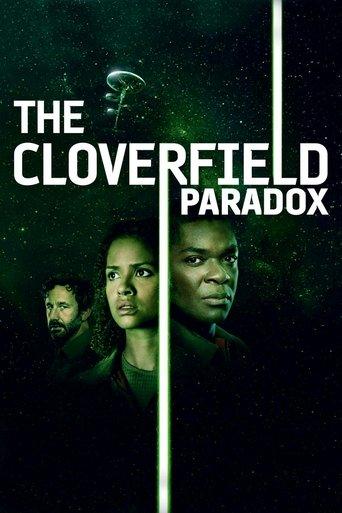
The Cloverfield Paradox
2018
Several sourced extraction signals remain unresolved.
What counts as a cash grab?
Commercial extraction prioritized over meaningful consumer or creative value. Profit, popularity, adaptations, sequels, remakes, high budgets, and normal marketing do not count by themselves.
Why?
Paramount sold The Cloverfield Paradox to Netflix and Netflix surprise-released it immediately after Super Bowl LII on February 4, 2018, trade reporting says Netflix paid upwards of $50 million making the film immediately profitable for Paramount. Industry coverage framed the move as a marketing stunt that prioritized a surprise streaming drop over a traditional theatrical rollout. Critics and aggregator scores report widely negative reception for plot and execution. Production credits and the film’s original sci‑fi premise show some craft investment, but reviews question its substantive consumer value.
- Paramount sold the film to Netflix and sources report Netflix paid more than $50 million, making the project immediately profitable for the studio.
- Netflix executed a surprise Super Bowl trailer and same-night release, an unusual distribution tactic that leveraged media coverage effectively.
- Critical aggregators show broadly negative reviews citing plot holes and weak execution, indicating limited creative payoff for many viewers.
View full breakdownHide full breakdown
- The film nevertheless has recognizable cast and an original sci‑fi premise, showing some production investment that mitigates a pure cash grab reading.
Score factors
| Direction | Factor | Evidence | Impact |
|---|---|---|---|
| For | Immediate profitability for studio | Analysts and studio commentary characterized the Netflix buy as making the picture immediately profitable for Paramount rather than exposing it to theatrical box office risk.[2][1] | +20 |
| For | Negative critical consensus | Aggregator and editorial coverage record broadly negative reviews and a low critics score, noting plot holes and poor execution that reduced perceived creative value.[5][3] | +15 |
| For | Studio sale and price | Trade reporting states Paramount sold the film to Netflix and Netflix paid reportedly upwards of $50 million, making the film immediately profitable for Paramount.[2][1][6] | +13 |
| For | Surprise Super Bowl release | Netflix debuted the film immediately after a Super Bowl trailer on February 4, 2018, using a surprise drop that generated broad earned media attention.[4][7][8] | +11 |
| Against | Notable cast and production | The film features a recognized cast and standard studio production resources under director Julius Onah, indicating nontrivial production investment.[1][3] | -8 |
| Against | Original sci‑fi premise | The film presents an original particle‑accelerator sci‑fi premise that attempts to expand franchise mythology rather than purely reuse prior material.[1][4] | -6 |
Confidence: High · Multiple reputable trade outlets and aggregator pages report the Netflix purchase, surprise Super Bowl release, and the film's poor critical reception, though internal studio contract details beyond press reporting are not public. · Researched 2026-08-01
Sources reviewed
- [1]en.wikipedia.org
- [2]www.thewrap.com
- [3]www.metacritic.com
- [4]www.theguardian.com
- [5]editorial.rottentomatoes.com
- [6]www.nme.com
- [7]www.forbes.com
- [8]www.washingtonpost.com
- [9]www.vanityfair.com
- [10]en.wikipedia.org
View 14 more sourcesShow fewer sources
- [11]www.complex.com
- [12]www.vanityfair.com
- [13]www.forbes.com
- [14]oglobo.globo.com
- [15]en.wikipedia.org
- [16]en.wikipedia.org
- [17]en.wikipedia.org
- [18]s22.q4cdn.com
- [19]en.wikipedia.org
- [20]www.reddit.com
- [21]www.reddit.com
- [22]theithacan.org
- [23]objects.lib.uidaho.edu
- [24]ir.paramount.com
What does the community think?
The AI found concerning cash-grab signs. What's your read?
Loading community verdict…