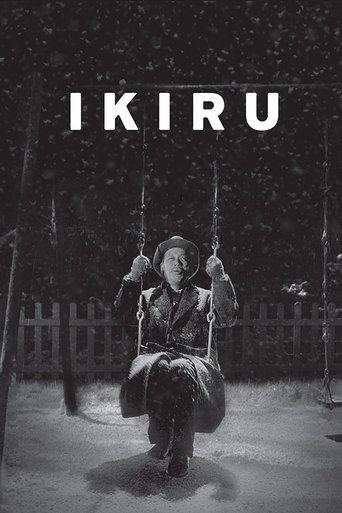
Ikiru
1952
The sourced concerns are substantially offset by delivered value.
What counts as a cash grab?
Commercial extraction prioritized over meaningful consumer or creative value. Profit, popularity, adaptations, sequels, remakes, high budgets, and normal marketing do not count by themselves.
Why?
Ikiru (1952) is an original Akira Kurosawa drama about a dying bureaucrat who seeks meaning. Research across major film institutions, critical histories, and home-video publishers produced no credible evidence that Ikiru was produced or marketed as a commercial cash grab. Sources emphasize an original screenplay, sustained critical esteem, director-authored intent, and careful restorations and home releases with supplemental materials. I found no reporting of predatory monetization, rushed releases, deceptive packaging, or low-effort brand exploitation that would support labeling this film a cash grab.
- No credible reporting or archival evidence found of predatory monetization, deceptive release practices, or price gouging for Ikiru.
- Ikiru is an original screenplay credited to Akira Kurosawa with co-writers Shinobu Hashimoto and Hideo Oguni, not reuse of existing franchise material.
- Authoritative film institutions and critics treat Ikiru as a significant artistic work, emphasizing craft and thematic risk.
View full breakdownHide full breakdown
- Restorations and Criterion home-video releases with essays and documentaries indicate consumer-oriented, archival treatment rather than exploitative packaging.
Score factors
| Direction | Factor | Evidence | Impact |
|---|---|---|---|
| Against | Production craft | Ikiru was written by Akira Kurosawa with Shinobu Hashimoto and Hideo Oguni and is presented by major film institutions as a significant artistic work with archival interviews and essays.[1][3][2] | -18 |
| Against | Original screenplay and content | Ikiru is an original 1952 screenplay credited to Kurosawa, Hashimoto, and Oguni, addressing mortality and bureaucracy rather than reusing prior franchise material.[4][1] | -16 |
| Against | Consumer-friendly releases | Ikiru has been issued in restored editions with supplemental essays and documentaries by Criterion and featured by film archives, consistent with archival, consumer-oriented treatment rather than deceptive quick productization.[1][3] | -9 |
| Against | Artistic and thematic risk | Critics and institutions highlight Ikiru's distinctive treatment of death and bureaucratic critique, indicating genuine artistic risk and craft.[2][5] | -8 |
| For | No evidence of exploitative monetization | Searches of major film archives, critical coverage, and home-video publisher materials produced no credible reports of predatory monetization, rushed releases, deceptive packaging, or a price/value mismatch for Ikiru.[4][2][1][5] | +3 |
Confidence: High · Authoritative sources including Criterion, BFI, and major reference works consistently document original authorship, critical esteem, and archival home releases; there is strong evidence for mitigating factors and no credible contemporaneous reporting that indicates exploitative monetization, though · Researched 2026-09-22
Sources reviewed
- [1]www.criterion.com
- [2]www.bfi.org.uk
- [3]www.criterion.com
- [4]en.wikipedia.org
- [5]www.rottentomatoes.com
- [6]www.bfi.org.uk
- [7]old.bfi.org.uk
- [8]player.bfi.org.uk
- [9]www.bfi.org.uk
- [10]www.bfi.org.uk
View 7 more sourcesShow fewer sources
What does the community think?
The AI sees low cash-grab risk. What's your read?
Loading community verdict…