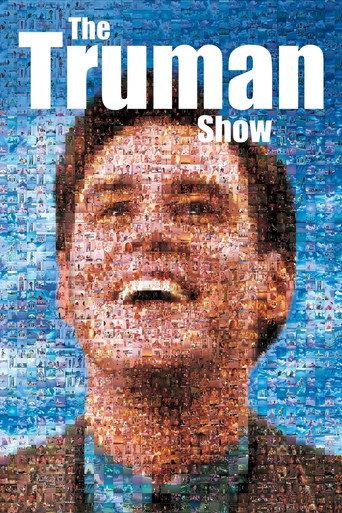
The Truman Show
1998
The sourced concerns are substantially offset by delivered value.
What counts as a cash grab?
Commercial extraction prioritized over meaningful consumer or creative value. Profit, popularity, adaptations, sequels, remakes, high budgets, and normal marketing do not count by themselves.
Why?
The Truman Show (1998) shows no credible evidence of being a cash grab. Contemporary studio materials, box office records, and press coverage document a standard wide theatrical release and conventional home-video rollout, the film was an original spec screenplay by Andrew Niccol, and production reporting and reviews highlight substantial directorial, acting, and set construction investment. The picture earned strong critical praise and multiple major award nominations, which supports substantive creative and production value rather than predatory monetization or rushed exploitation.
- No contemporaneous reporting or distributor materials were found alleging predatory monetization or deceptive release.
- The film originated from an original screenplay by Andrew Niccol and underwent deliberate creative development.
- Contemporary production reporting and reviews describe substantial directorial and production craft.
View full breakdownHide full breakdown
- The film received strong critical acclaim and multiple major award nominations, indicating recognized artistic value.
Score factors
| Direction | Factor | Evidence | Impact |
|---|---|---|---|
| Against | Production craft and direction | Director Peter Weir, production interviews, and contemporary reviews describe deliberate, meticulous direction, significant set and production investment, and performance choices indicating substantial craft.[3][2] | -18 |
| Against | Original screenplay and concept | The film was based on an original spec screenplay by Andrew Niccol and contemporary coverage documents creative development rather than demonstrable low-effort reuse.[1][2] | -17 |
| Against | Budget and commercial release | Reported production budget near $60 million and worldwide gross around $264 million show it was a substantial commercial release, these figures alone do not indicate predatory price/value mismatch.[1] | -11 |
| For | Exploitative monetization evidence | Contemporary reporting and distributor materials contain no credible evidence of predatory monetization or pay-to-view schemes associated with the film's release.[5][4] | +8 |
| Against | Critical reception and awards | The film received widespread critical praise and major award recognition, including three Academy Award nominations, which indicates recognized artistic merit.[1][6][3] | -8 |
| For | Release practice transparency | Trade and press coverage and distributor records show a standard theatrical opening and a conventional home-video window with no contemporaneous reports of rushed or deceptive release tactics.[4][5] | +5 |
Confidence: High · Assessment is based on contemporaneous reviews, studio and box-office records, and production interviews; searches found substantive production and critical reporting and no sources alleging exploitative monetization, though the search scope was limited to two queries. · Researched 2026-09-17
Sources reviewed
- [1]en.wikipedia.org
- [2]www.bfi.org.uk
- [3]www.rogerebert.com
- [4]www.boxofficemojo.com
- [5]www.paramountpictures.com
- [6]www.rottentomatoes.com
- [7]www.the-numbers.com
- [8]www.rogerebert.com
- [9]www.imdb.com
- [10]saturation.io
View 12 more sourcesShow fewer sources
What does the community think?
The AI sees low cash-grab risk. What's your read?
Loading community verdict…