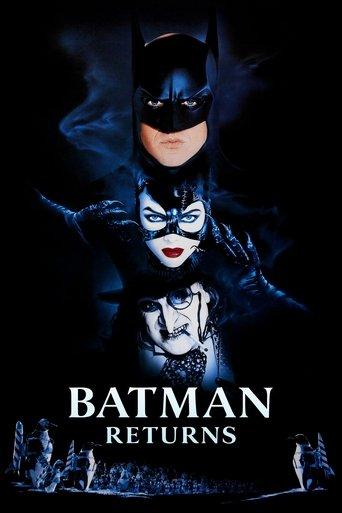
Batman Returns
1992
The sourced concerns are substantially offset by delivered value.
What counts as a cash grab?
Commercial extraction prioritized over meaningful consumer or creative value. Profit, popularity, adaptations, sequels, remakes, high budgets, and normal marketing do not count by themselves.
Why?
Batman Returns (1992) shows strong evidence of substantial creative investment rather than a simple cash grab. Contemporary reporting and retrospective production coverage document detailed production design, prosthetic makeup and original score under Tim Burton. There is evidence the studio pursued merchandising, but major licensees and fast food partners pushed back or cancelled tie-ins because of the film's dark tone. I found no credible sources documenting predatory monetization, low-effort reuse, rushed release, or deceptive pricing tied to this title.
- Multiple production histories and interviews document elaborate production design, prosthetics, and original filmmaking craft for Batman Returns.
- Contemporaneous reporting records attempts to commercialize tie-ins, but McDonald’s and some toymakers pulled back due to the film’s darker tone.
- I found no contemporaneous evidence of predatory monetization, rushed release practices, or low-effort reuse of material.
View full breakdownHide full breakdown
- Overall the documentation points to artistic risk and craftsmanship outweighing any clear evidence of exploitative extraction.
Score factors
| Direction | Factor | Evidence | Impact |
|---|---|---|---|
| Against | Production design and prosthetics | Sources document extensive production design, prosthetic makeup and practical effects on Batman Returns including Stan Winston style prosthetics for the Penguin and detailed set work credited to Burton collaborators.[1][2][3] | -18 |
| Against | Original content and character reinterpretation | Retrospectives and production reporting note the film delivered original interpretations of Catwoman and the Penguin and a darker storyline that departed from toy-friendly franchise formulas.[2][4][1] | -16 |
| For | Merchandising attempts met with partner resistance | Reporting documents that McDonald’s and some toymakers backed away or cancelled planned tie-ins for Batman Returns because the film’s imagery and tone drew parental criticism, showing attempted commercialization met significant pushback.[6][5] | +9 |
| Against | Stylistic risk and darker tone | Contemporaneous coverage and later analyses emphasize Burton’s darker stylistic choices and the film’s thematic risks relative to mainstream family-friendly superhero marketing.[2][1] | -7 |
Confidence: Medium · Sources available include contemporaneous reporting and multiple retrospective production accounts, but I did not consult studio licensing contracts, internal memos, or comprehensive corporate financial disclosures which would strengthen conclusions about intent and monetization. · Researched 2026-08-06
Sources reviewed
- [1]comicbookmovie.com
- [2]wearecult.rocks
- [3]www.imdb.com
- [4]www.cinemablend.com
- [5]whatculture.com
- [6]www.latimes.com
- [7]batman.fandom.com
- [8]es.wikipedia.org
- [9]www.gorgeouspfeiffer.com
- [10]comicbookmovie.com
View 9 more sourcesShow fewer sources
- [11]www.scribd.com
- [12]www.reddit.com
- [13]vinburnham.com
- [14]antiquesqa.blogspot.com
- [15]en.wikipedia.org
- [16]www.reddit.com
- [17]www.reddit.com
- [18]www.laserhotline.de
- [19]en.wikipedia.org
What does the community think?
The AI sees low cash-grab risk. What's your read?
Loading community verdict…