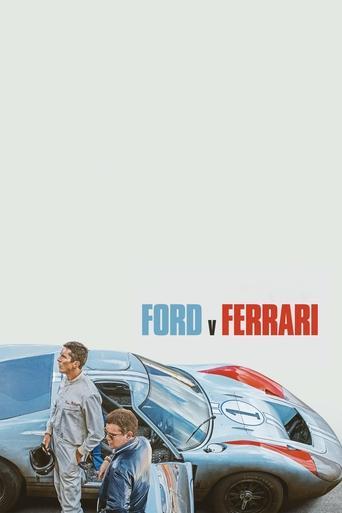
Ford v Ferrari
2019
The sourced concerns are substantially offset by delivered value.
What counts as a cash grab?
Commercial extraction prioritized over meaningful consumer or creative value. Profit, popularity, adaptations, sequels, remakes, high budgets, and normal marketing do not count by themselves.
Why?
Reporting, interviews, and reviews for Ford v Ferrari (2019) point to a production driven by craft and historical recreation rather than opportunistic monetization. Director James Mangold and crew emphasized practical stunt work, a custom vehicle-mounted camera platform, and a tightened character-focused script. Critics praised the racing sequences, editing, and sound, and the film received Academy Award nominations and wins while performing well commercially. I found no credible reporting of predatory monetization, rushed deceptive release tactics, or low-effort reuse intended to exploit the title.
- Substantial production craft evidenced by stunt coordinator reporting and specialized camera hardware.
- Significant critical acclaim and Academy Award nominations and wins indicate artistic and technical value.
- No credible reporting found of predatory monetization, merchandise-first strategies, or deceptive release practices.
View full breakdownHide full breakdown
- Film is an adapted, focused dramatization of real events rather than a low-effort reuse of existing film assets.
Score factors
| Direction | Factor | Evidence | Impact |
|---|---|---|---|
| Against | Production craft and practical effects | Coverage of the film details extensive practical stunt driving, a custom drivable camera platform and careful race choreography led by an experienced stunt coordinator.[4][2] | -18 |
| For | No evidence of predatory monetization | I found no credible reporting or official disclosures indicating predatory monetization, paywalls, aggressive microtransactions, or merchandise-first strategies tied to the film.[3][2] | +15 |
| Against | Adaptation and focused scripting | Director James Mangold described streamlining previous versions to focus on the two leads and make the story affordable, indicating original editorial choices rather than cheap reuse.[3][1] | -14 |
| Against | Historical recreation and fact checking | Independent fact-check and reporting show the film largely recreates the 1966 Le Mans events faithfully and that narrative choices reflect dramatization of real events rather than deceptive marketing.[5][1] | -13 |
| Against | Critical reception and awards | The film received major critical praise for performances, editing, and sound and won Academy Awards for Best Film Editing and Best Sound Editing while earning multiple nominations.[1] | -8 |
| For | No concrete price/value mismatch reported | Coverage and reviews emphasize the film’s production values and audience reception rather than any evidence of a price versus value mismatch or deceptive ticketing/packaging practices.[1][2] | +8 |
Confidence: High · Multiple reputable sources including director interviews, technical coverage, critical reviews, and fact-checking pieces document production choices and praise while showing no credible reporting of exploitative monetization, though internal studio or corporate communications were not available for · Researched 2026-09-18
Sources reviewed
- [1]en.wikipedia.org
- [2]editorial.rottentomatoes.com
- [3]www.boxofficepro.com
- [4]www.motortrend.com
- [5]www.thewrap.com
- [6]www.screendaily.com
- [7]www.forbes.com
- [8]nationalboardofreview.org
- [9]en.wikipedia.org
- [10]www.si.com
View 12 more sourcesShow fewer sources
What does the community think?
The AI sees low cash-grab risk. What's your read?
Loading community verdict…