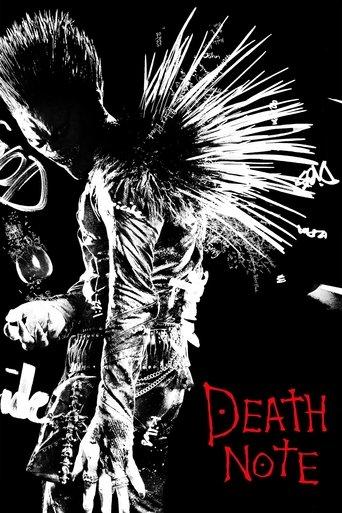
Death Note
2017
There are sourced concerns, but the case is limited.
What counts as a cash grab?
Commercial extraction prioritized over meaningful consumer or creative value. Profit, popularity, adaptations, sequels, remakes, high budgets, and normal marketing do not count by themselves.
Why?
Netflix’s 2017 American adaptation of Death Note relocated the story to Seattle, renamed the protagonist Light Turner, and drew widespread criticism for whitewashing and major changes from the manga, while critics described the film as a muddled, low-effort translation of the source. Reporting notes Netflix paid to acquire and release the project and that the production had a reported $40-50 million budget and VFX-heavy finale, which shows real production investment even as public viewing metrics and sequel decisions remained internal to Netflix.
- The LA Times and other outlets documented the relocation and whitewashing controversy around the project.
- Multiple reviews described the adaptation as losing the source material and as feeling like a paycheck-driven effort.
- Netflix acquired and released the film for streaming with reported $40-50 million production spending and franchise intent tied to internal viewing metrics.
View full breakdownHide full breakdown
- Creators were shown a cut and reported approval, which weighs against a purely opportunistic, lowest-effort production.
Score factors
| Direction | Factor | Evidence | Impact |
|---|---|---|---|
| For | Critical assessment of low effort | Contemporary reviews characterized the adaptation as losing the original manga’s strengths and in places as feeling like a paycheck collection, indicating perceived low creative payoff.[2][1] | +19 |
| For | Netflix acquisition and franchise potential | LA Times reported Netflix snapped up the film after Warner Bros. turnaround, noted a reported $40-50 million budget, and described producers positioning the title as franchise-capable pending internal Netflix viewing metrics.[1] | +16 |
| For | Whitewashing and relocation | Reporting documents the film was relocated to Seattle, the lead character renamed Light Turner and the production faced public criticism for whitewashing in casting and story changes.[1][2] | +14 |
| Against | Production investment and VFX | Reporting cites a reported $40-50 million budget and a VFX-heavy finale, indicating nontrivial production spending and technical work on the film.[1] | -11 |
| Against | Original creators shown a cut | LA Times reporting says the manga creators were shown a cut and that one indicated he loved it, which suggests at least some creative engagement with the source’s rights holders.[1] | -9 |
Confidence: Medium · Evidence includes contemporaneous mainstream reporting and critical reviews documenting whitewashing, negative creative assessments, and reported budget figures, but internal Netflix metrics, contract terms, and direct producer intent on monetization practices are not publicly available. · Researched 2026-09-09
Sources reviewed
- [1]www.latimes.com
- [2]www.thewrap.com
- [3]www.rogerebert.com
- [4]en.wikipedia.org
- [5]www.theringer.com
- [6]movieminis.com
- [7]www.nprillinois.org
- [8]www.filminquiry.com
- [9]www.destructoid.com
- [10]charlatan.ca
View 11 more sourcesShow fewer sources
What does the community think?
The AI found some cash-grab signs. What's your read?
Loading community verdict…