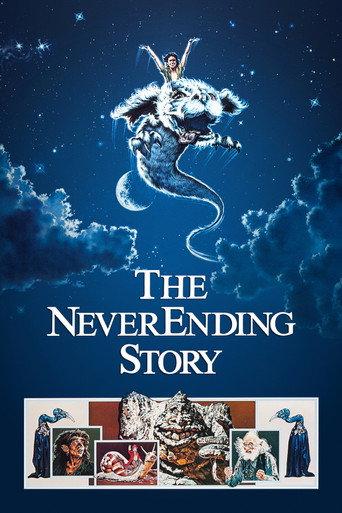
The NeverEnding Story
1984
The sourced concerns are substantially offset by delivered value.
What counts as a cash grab?
Commercial extraction prioritized over meaningful consumer or creative value. Profit, popularity, adaptations, sequels, remakes, high budgets, and normal marketing do not count by themselves.
Why?
The NeverEnding Story (1984) shows no credible contemporaneous evidence of predatory monetization or rushed release practices. The film was a major West German/US production directed by Wolfgang Petersen, produced with extensive practical effects and specialized effects crew, and it earned strong box office and positive critical attention. The book's author Michael Ende publicly disavowed the adaptation and sought removal of his name, a documented creative dispute, but that disagreement alone is not documented as commercial exploitation or deceptive monetization.
- No reliable sources report predatory monetization or deceptive release for the 1984 film.
- Author Michael Ende publicly disowned the film and criticized changes to his novel.
- Contemporary and retrospective coverage highlights substantial practical effects and a skilled production crew.
View full breakdownHide full breakdown
- The film was commercially successful and received positive critical attention for its visual world building.
Score factors
| Direction | Factor | Evidence | Impact |
|---|---|---|---|
| Against | Substantial practical effects and crew | The production is documented as a costly West German project with extensive practical effects, makeup, and effects personnel, credited with detailed world building.[1][2] | -16 |
| Against | Critical praise for world building | Contemporary critics, including Roger Ebert, praised the film's visual imagination and effects-driven atmosphere.[3] | -12 |
| For | Author disavowed adaptation | Michael Ende publicly criticized the film adaptation and sought to distance his name from the production, citing creative changes from his novel.[4][1] | +11 |
| Against | Box office and audience reception | The film grossed strongly worldwide for its era and became one of the highest-grossing films in Germany that year, indicating consumer demand rather than an immediately predatory release model.[5] | -9 |
Confidence: High · Multiple authoritative sources document production scale, effects craftsmanship, author disavowal, and commercial performance, and there is no contemporaneous reporting of predatory monetization or rushed deceptive release practices. · Researched 2026-09-09
Sources reviewed
- [1]nerdist.com
- [2]www.bafta.org
- [3]www.rogerebert.com
- [4]www.michaelende.de
- [5]comicbook.com
- [6]en.wikipedia.org
- [7]en.wikipedia.org
- [8]en.wikipedia.org
- [9]www.youtube.com
- [10]en.wikipedia.org
View 19 more sourcesShow fewer sources
- [11]www.moviesinthe80s.com
- [12]www.rottentomatoes.com
- [13]en.wikipedia.org
- [14]shapes.inc
- [15]www.cheatsheet.com
- [16]es.wikipedia.org
- [17]www.timeout.com
- [18]www.rogerebert.com
- [19]filmfolly.com
- [20]www.looper.com
- [21]www.reddit.com
- [22]dl.tufts.edu
- [23]www.takey.com
- [24]www.reddit.com
- [25]www.reddit.com
- [26]escholarship.org
- [27]dai.mun.ca
- [28]www.harpercollege.edu
- [29]www.reddit.com
What does the community think?
The AI sees low cash-grab risk. What's your read?
Loading community verdict…